Buying guide · Updated 2026-08-03
Electric vs Gas Pressure Washers: PSI, Duty Cycle, and Real Costs
Electric vs gas pressure washers compared on PSI, GPM, duty cycle, and real cost per hour, with spec thresholds for cars, siding, and concrete cleaning.
PSI gets the headlines, but the electric-versus-gas decision is really about duty cycle, water volume, and what you pay per hour of actual spraying. Two washers with identical peak PSI can have wildly different cleaning speeds and lifespans.
This guide compares the two power sources using the numbers ForgeGate publishes on its cards: PSI, GPM, and the pump class behind them.
Cleaning units beat peak PSI
Cleaning speed tracks water volume as much as pressure. Multiply PSI by GPM and you get cleaning units (CU): a 1,958 PSI / 2.5 GPM electric delivers about 4,900 CU, while a 4,500 PSI / 3.2 GPM unit delivers 14,400 CU-nearly triple the cleaning throughput even though the PSI gap looks smaller.
Peak PSI is a marketing maximum. Look for working pressure, GPM at working pressure, and whether the pump is a light-duty design or a commercial-grade plunger pump.
Duty cycle: the number nobody prints
Compact electric washers are built around short residential cycles-minutes of spraying with cool-down breaks, especially on brushed motors. Push one hard all afternoon and heat, not quality, decides its lifespan.
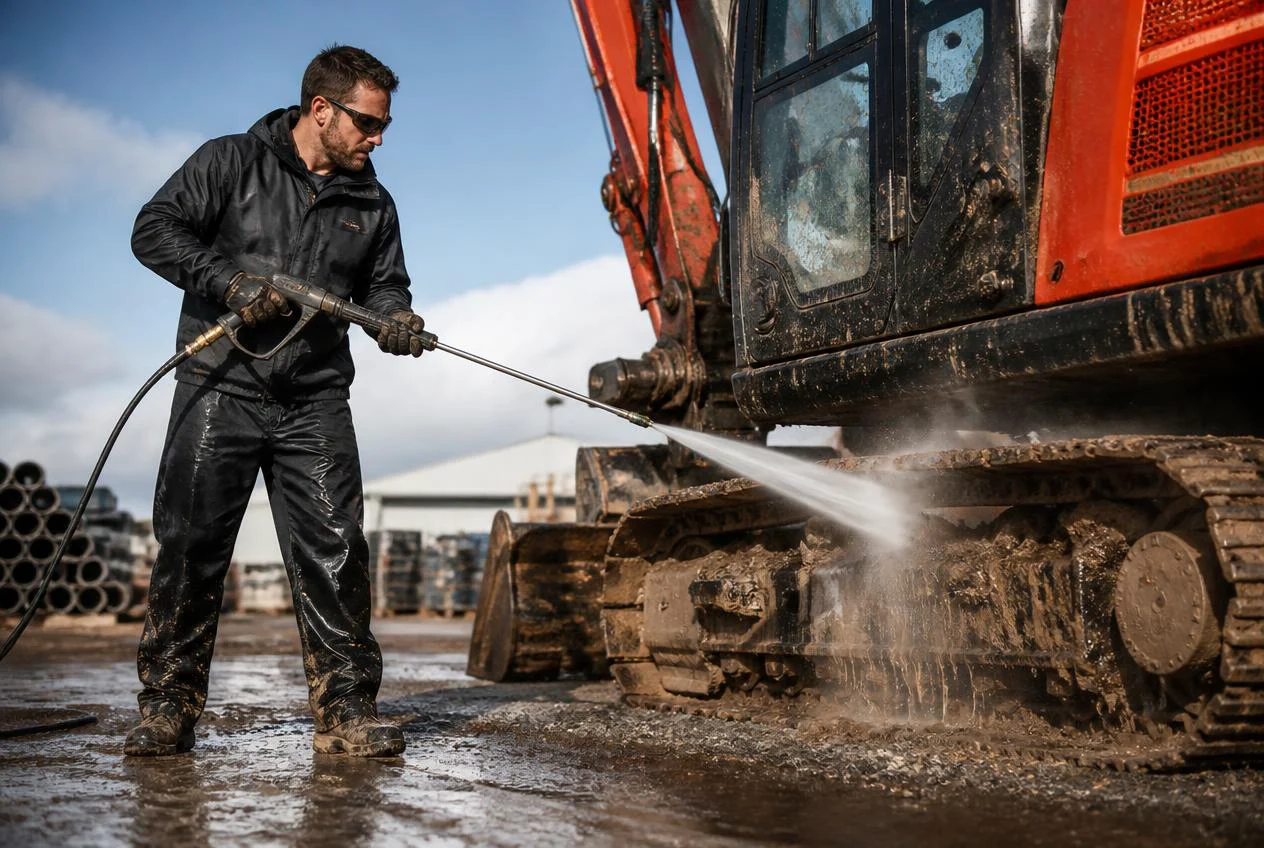
Gas rigs with heavy pump packages are built for sustained running, which is why contractors live on them. If your driveway day is really a half-day of continuous spraying, you are shopping in gas territory or in the heavy-duty electric class.
Where electric wins
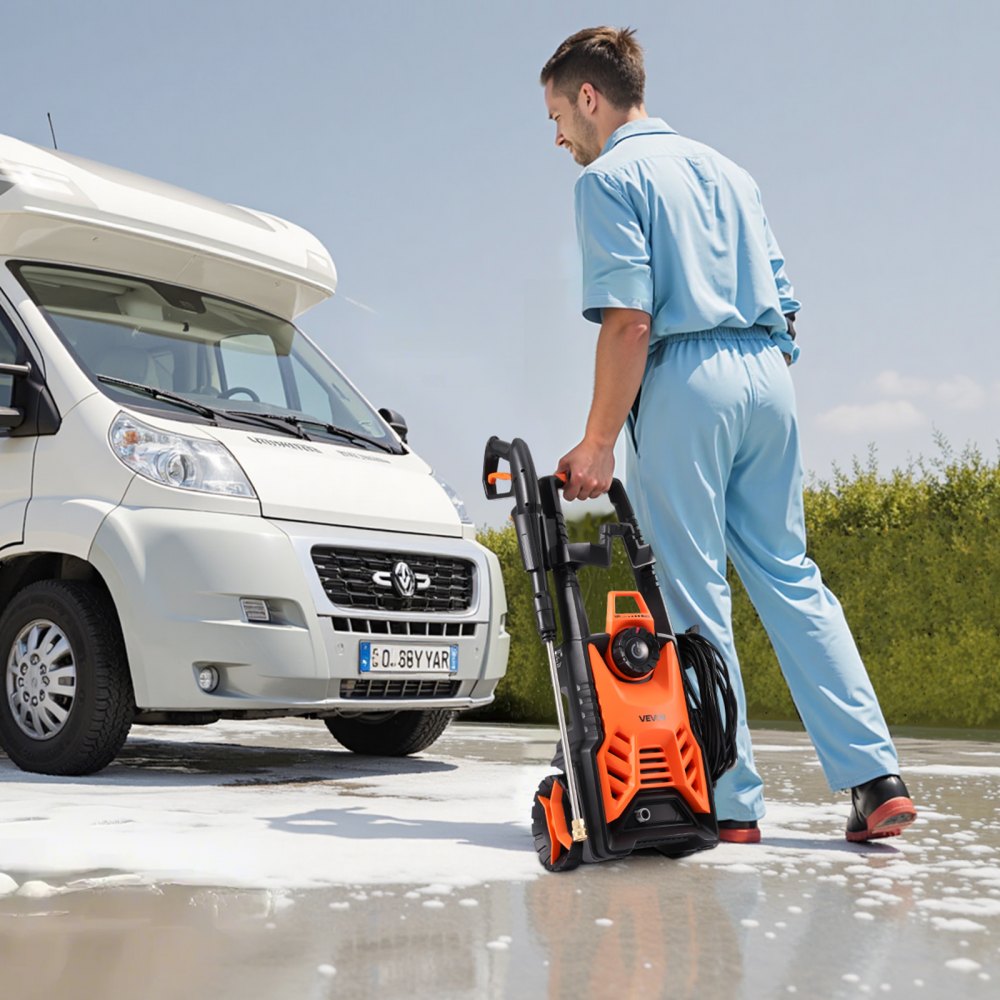
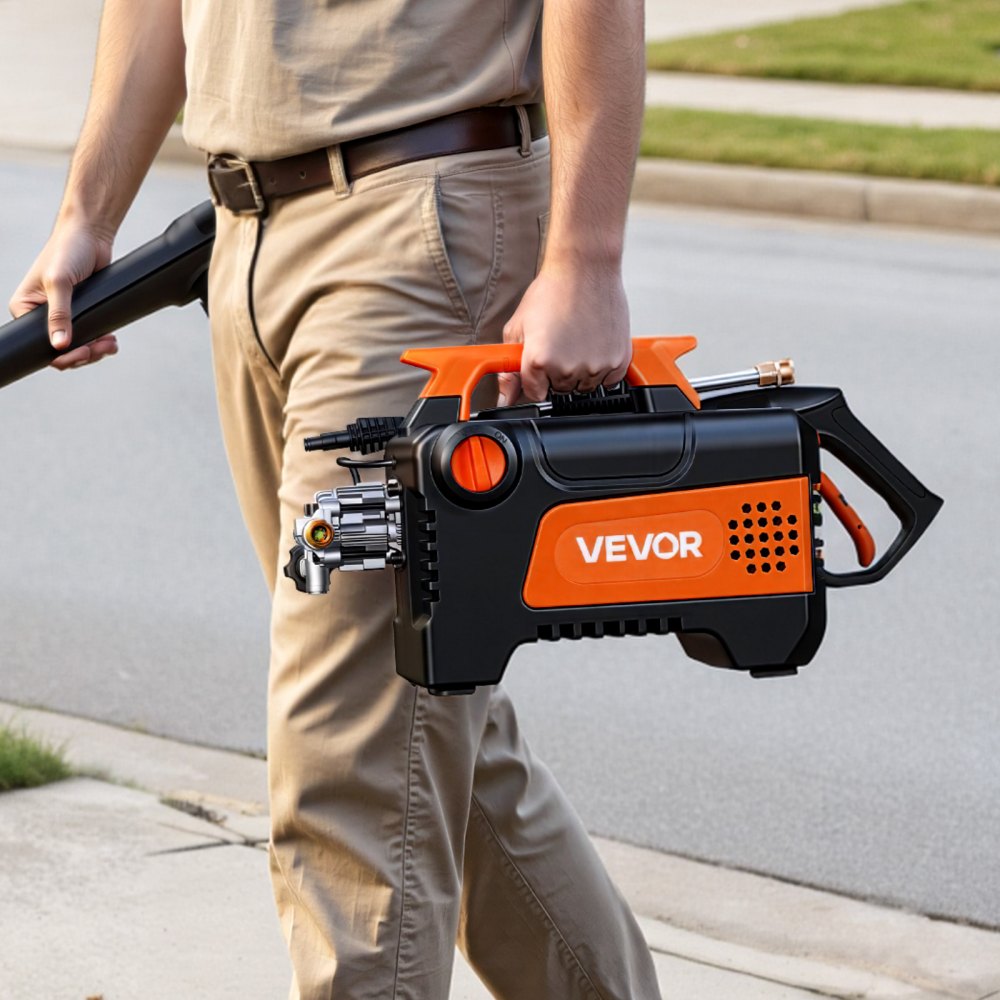
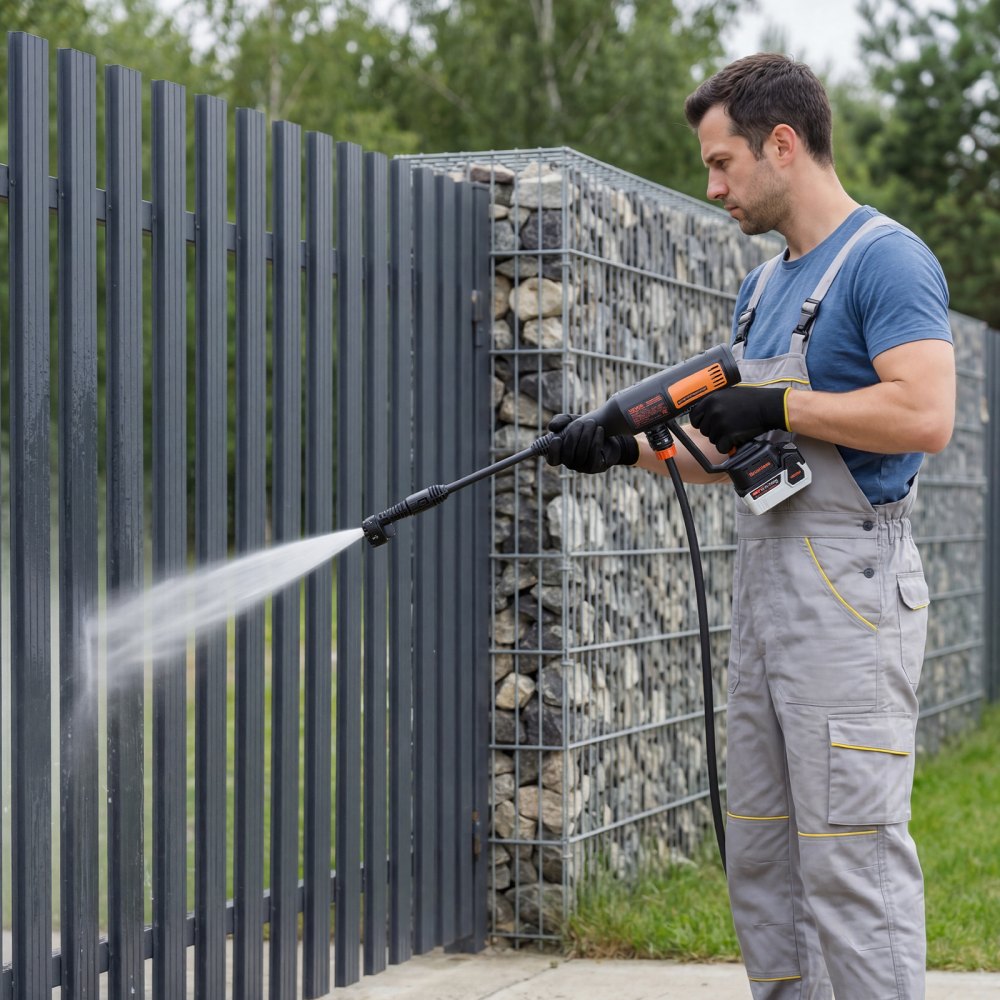
Residential chores-patios, cars, fences, quick jobs near an outlet: electric starts with a switch, runs quietly, produces no exhaust, and stores without fuel-stabilizer rituals. A 1,200 PSI cordless unit covers rinse-down and detail work where there is no hose or outlet at all.
Electric also owns indoor-adjacent work: garage floors, covered bays, anywhere gas fumes are off the table.
Where gas still wins
No outlet within 200 ft, surface cleaners 12 in and wider, all-day washing, and jobs where GPM is the money: big concrete, fleets, rinse-down work. Gas rigs in the 3,000-4,000 PSI / 2.5-4 GPM band move water that comparable-price electrics do not.
The cost of winning: noise, exhaust, engine maintenance, and fuel that goes stale when the rig sits for months.
Real cost per hour
Electric washers spend cents per hour on power; gas spends dollars on fuel plus periodic engine oil, plugs, and filters. Pump wear is the sleeper cost on both sides.
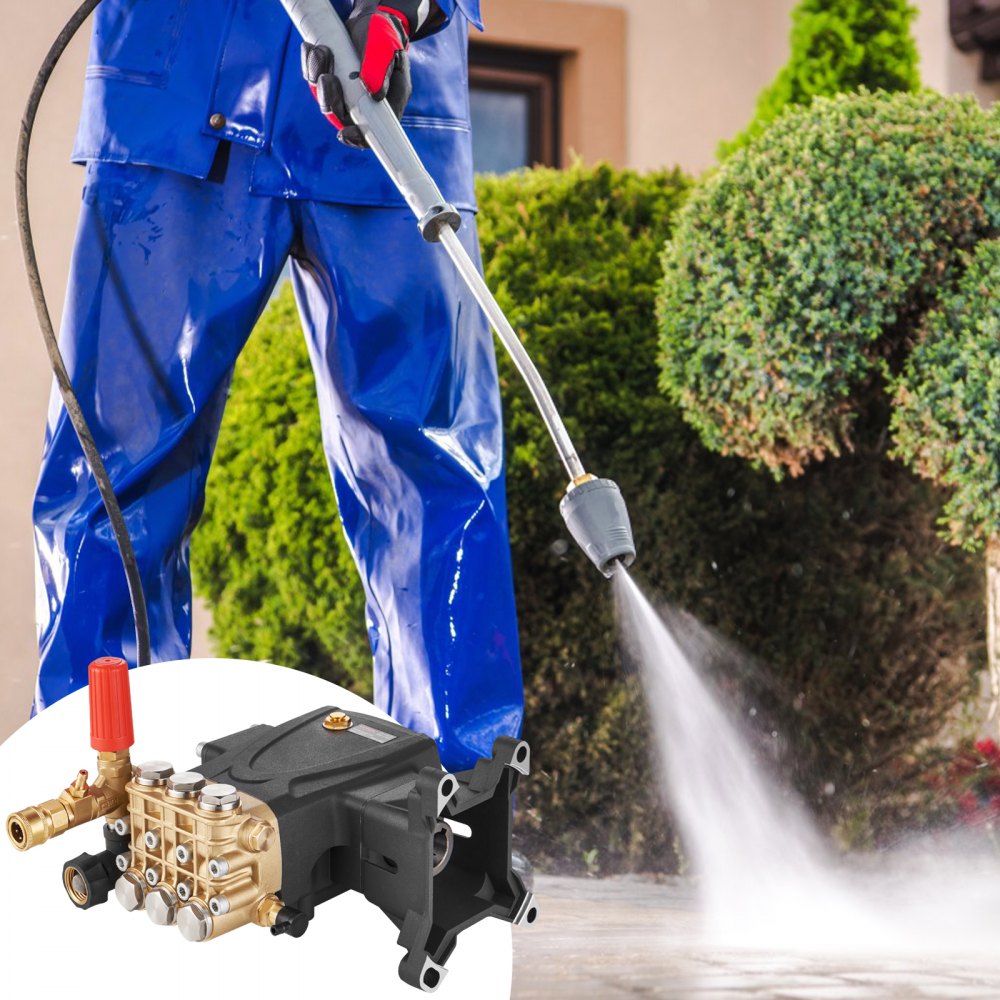
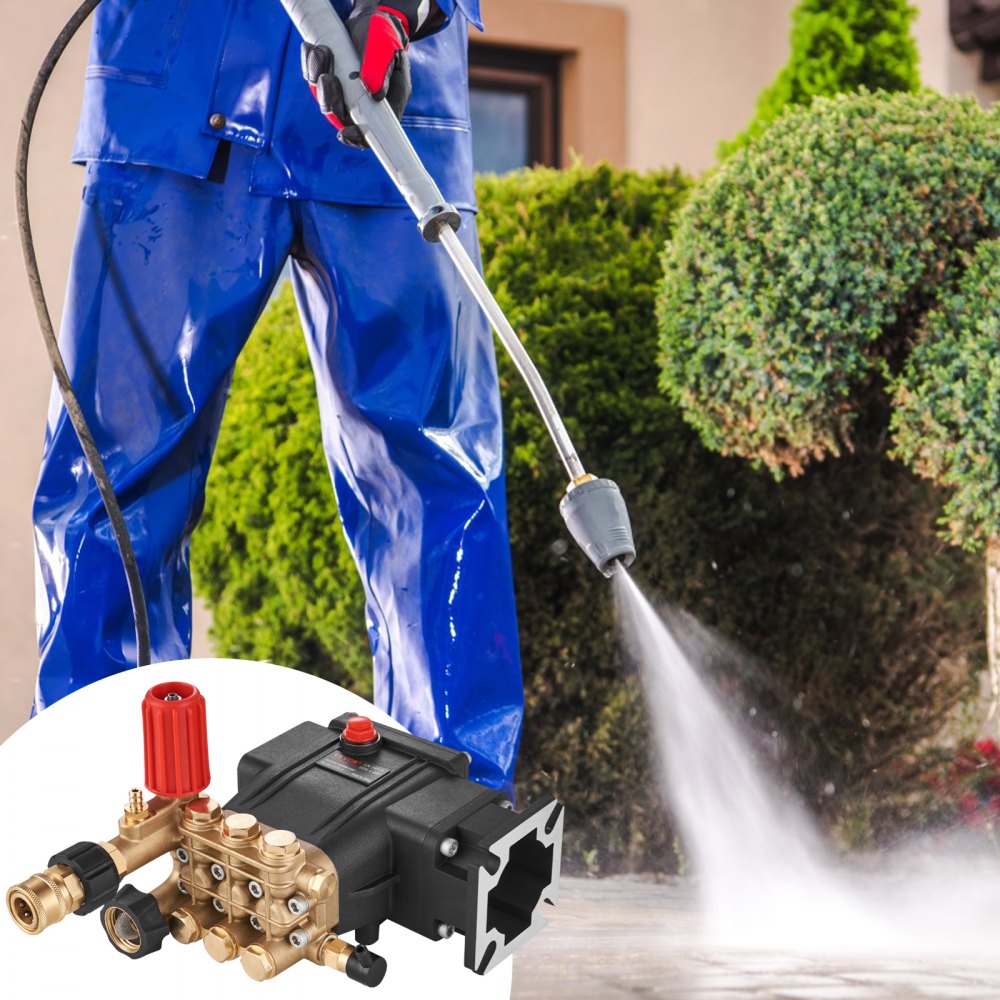
When a gas rig's pump does die, replacing the pump beats replacing the rig: ForgeGate lists 3,700 PSI / 2.5 GPM and 4,400 PSI / 4 GPM pumps as standalone SKUs so you can rebuild instead of rebuy.
Spec thresholds by job
Cars and bikes: 1,200-1,900 PSI with a wide nozzle is plenty; more pressure just strips paint and trim. Siding and decks: 1,500-2,500 PSI, where GPM helps more than PSI. Driveways and flat concrete: 2,800 PSI and up, 2.5 GPM minimum, plus a surface cleaner if the area is large.
If one machine must do cars and concrete, buy the pressure-adjustable class (for example a 4,500 PSI / 3.2 GPM unit with adjustment) and switch nozzles instead of machines.
Guide FAQ
Is higher PSI always better?
No. GPM drives cleaning speed, and excess PSI damages paint, wood, and mortar. Buy the band your surface allows.
Can an electric washer run a surface cleaner?
Small ones do it poorly-GPM starves the bar. You want roughly 2.5 GPM or more before a 12-inch-plus surface cleaner is worth running.
Why does my gas washer surge or stall?
Usually stale fuel, a dirty carb, or an unloader/pump issue. Start with fresh fuel and filter checks before touching the pump.
Which one for a weekend car-wash side hustle?
Sustained duty cycles say gas, or a heavy-duty electric with a real plunger pump. Light compact electrics cook under commercial run hours.