Buying guide · Updated 2026-07-31 · ForgeGate catalog team
How to Choose a Gas Chainsaw
Field framework for choosing a gas chainsaw by wood diameter, weekly hours, bar length, and engine class—with fuel, chain, safety, and ForgeGate catalog checkpoints.
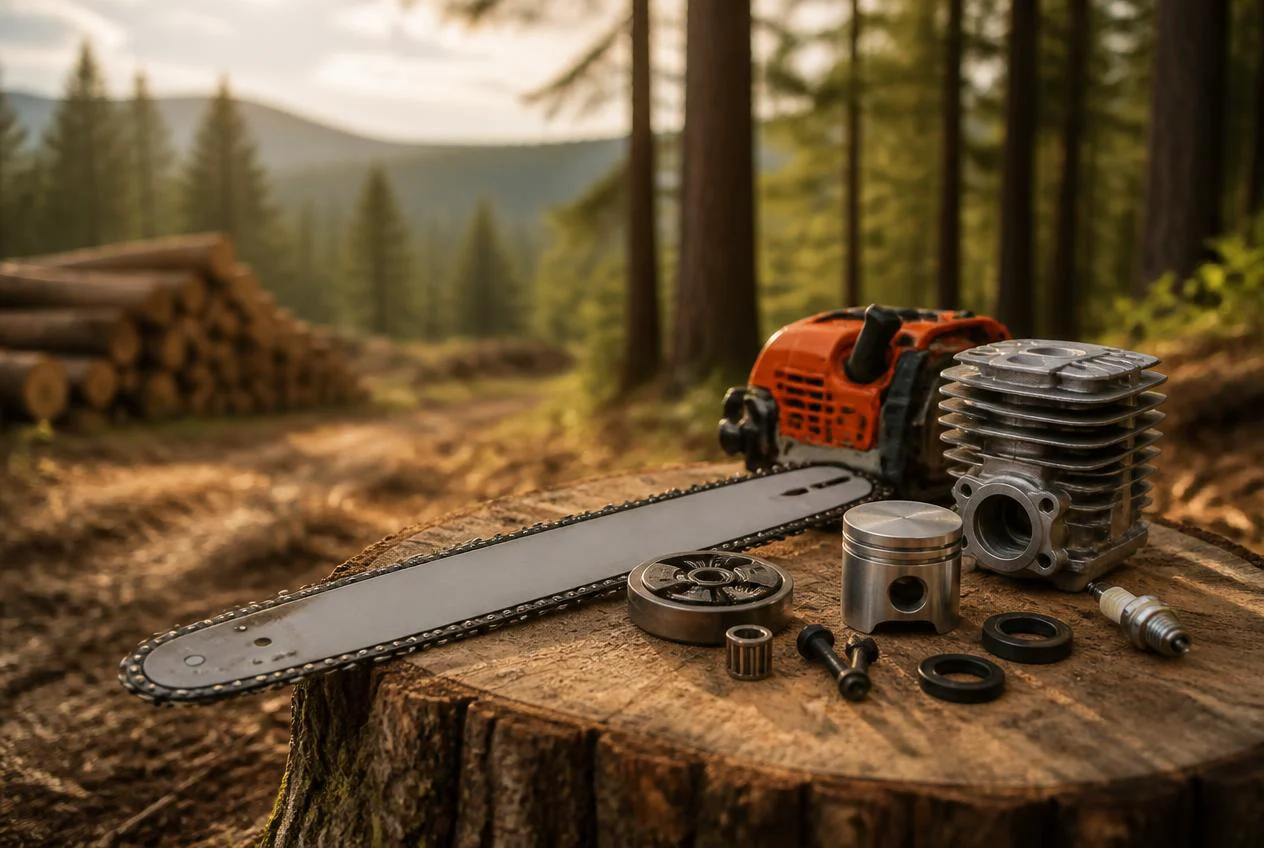
Matching bar + CC to weekly wood diameter (firewood, storm, light felling).
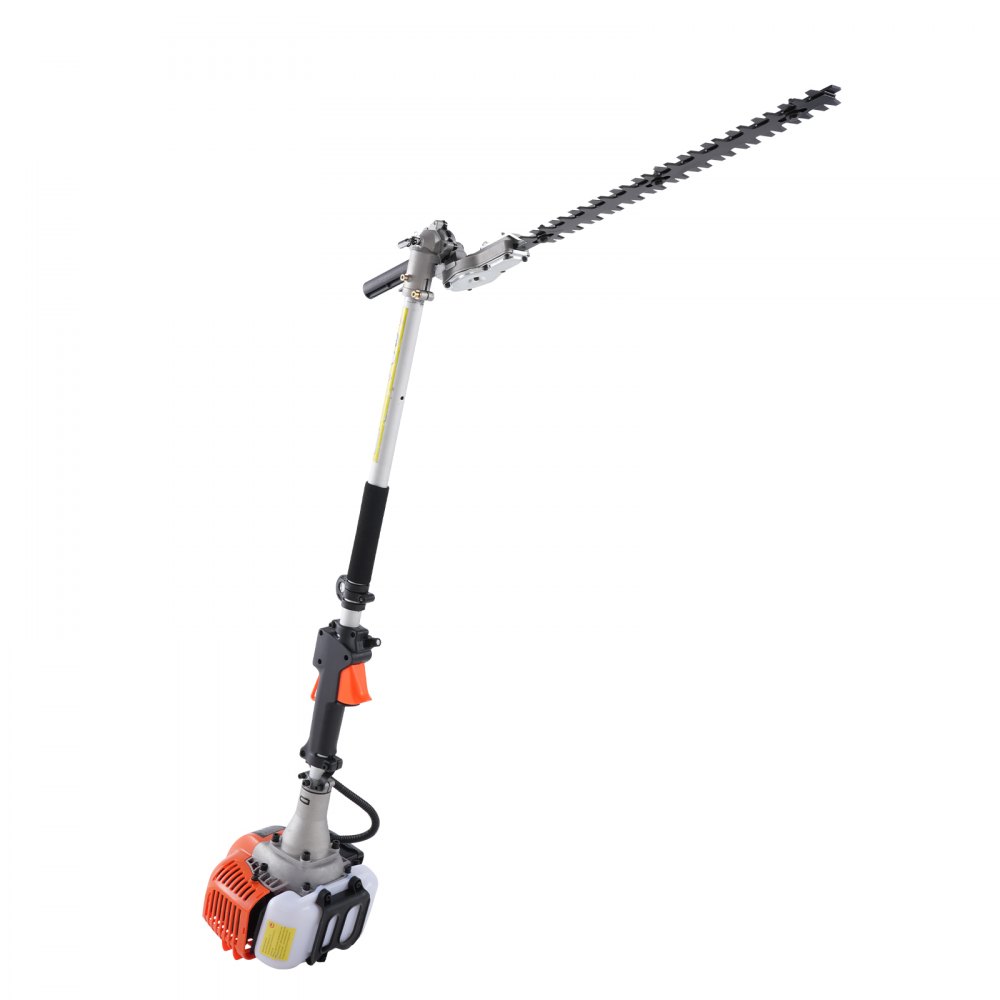
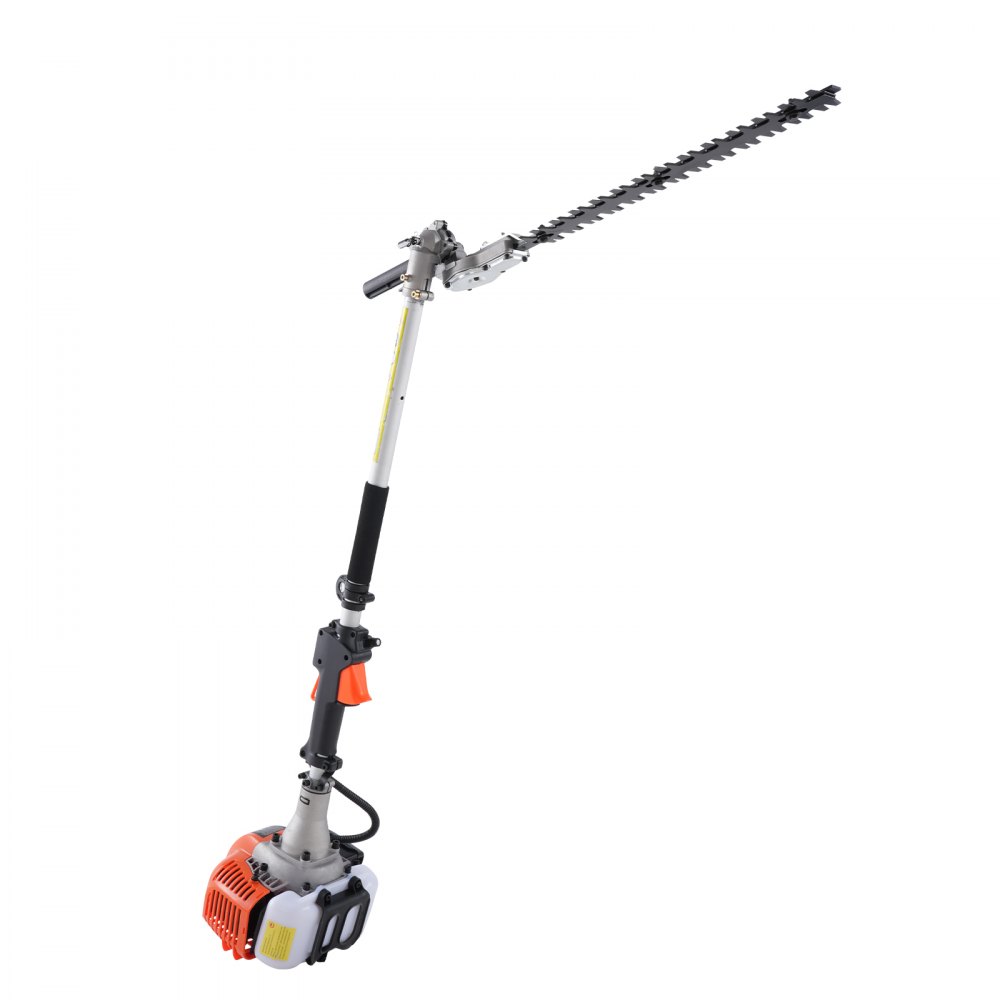
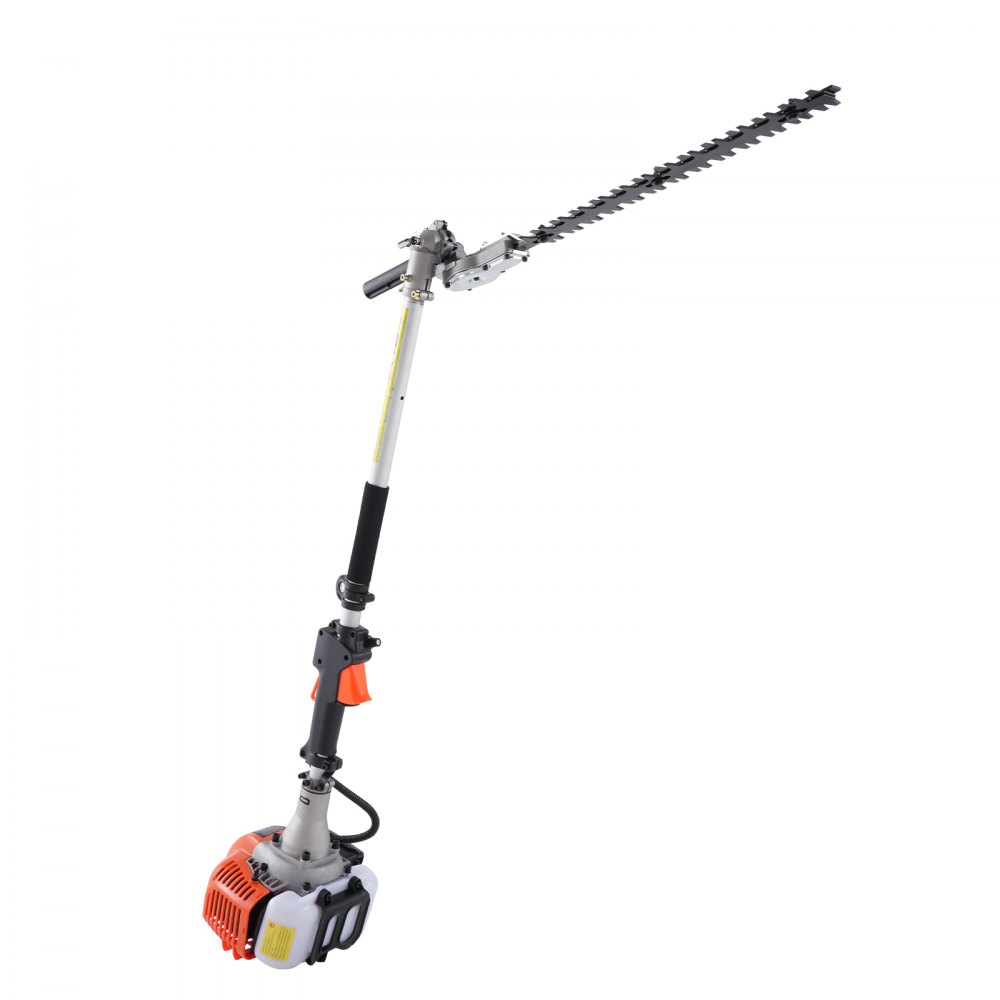
You only need overhead limbing—consider a pole saw first.
Bar length (in), displacement (cc), weight/balance, chain pitch
Most bad chainsaw buys start the same way: someone chases the longest bar or the loudest power claim, then discovers the saw is either too heavy for all-day firewood or too light for the hardwood that actually falls on the property. The right saw matches the diameter you cut most weeks—not the storm that happens once every five years.
This guide uses a crew-style decision sequence: define the wood, pick a bar band, pick an engine class, then verify ergonomics, chain system, and ship windows on the product page. ForgeGate publishes displacement, bar inches, and fulfillment badges as structured fields so you can compare without decoding brochure poetry.
You will also see when a pole saw or multi-tool is the smarter primary purchase, and how two-stroke fuel discipline keeps a correctly sized saw from becoming a spring no-start project.
Bar length vs typical work
| Bar | Typical work | Engine class | Fatigue risk |
|---|---|---|---|
| 12–14 in | Limbing, light storm wood | Under ~40 cc | Low |
| 16–18 in | Most firewood & property cleanup | ~45–55 cc | Medium |
| 20 in+ | Large rounds, light felling | ~60 cc+ | Higher |
Start with the wood you cut every month
Ignore the marketing photo of a giant trunk unless that trunk is weekly reality. Write down average limb/log diameter, the maximum diameter you refuse to leave for a pro, and expected peak-season hours per week.
If 80% of cuts are under roughly 8–10 inches, a mid-class saw with a 16–18" bar usually finishes the pile faster than a long-bar felling saw that fights you on every limbing pass. Reserve 20" bars and 60cc-class engines for regular large-diameter bucking and light felling.
Storm cleanup mixes limbing and bucking. Crews that only own a heavy 20" saw often fatigue before the work is done. Many keep a nimble mid-size saw as the daily driver and treat the long bar as a specialist tool.
Bar length bands that map to real jobs
12–14 inches: limbing, pruning access cuts, light storm wood, and users who value control over reach. These pair naturally with smaller displacements.
16–18 inches: default homeowner and property-crew range for firewood and typical windthrow. You can section most rounds you can roll without constantly resetting the cut.
20 inches and up: reach through larger diameter wood and some felling tasks. Nose weight rises; kickback discipline and chain sharpness become non-negotiable. If the engine cannot pull the chain without bogging, the bar is lying about capability.
On ForgeGate cards, bar length is a first-class facet—shortlist by inches before opening a stack of PDPs.
Engine class (CC) without brochure fog
Displacement proxies torque under load. It is not a quality medal and it is not identical to marketed horsepower figures, which are often optimistic. Treat CC as a sorting bucket.
Field buckets: under ~40cc for light yard work; ~45–55cc for most firewood and storm duty; ~60cc+ when you regularly bury a long bar in dense hardwood. A 52cc-class saw with an 18" bar is a common all-property configuration; a 62cc-class 20" setup steps into heavier timber.
Weight and balance matter as much as peak power. A theoretically strong but nose-heavy saw slows a full afternoon of bucking more than a slightly smaller engine you can place accurately all day.
Chain, bar oil, and maintenance that decide lifespan
Pitch, gauge, and drive link count must match bar and sprocket. Random loops from the bench destroy drive links. Write pitch/gauge on the case.
Tension: the chain should snap back when pulled and still move freely by gloved hand. Too loose derails; too tight overheats the bar nose.
Bar oil is not two-stroke mix. Verify the oiler throws a light line of oil during a test rev. A blued bar after ten minutes is lubrication failure, not “normal heat.”
File cutters evenly. A dull chain turns any correctly sized saw into a smoke machine and teaches people to push with their shoulders.
Two-stroke fuel mix discipline
Read the manual ratio first—common values include 40:1 and 50:1. Do not share a crew “mystery yellow can.” Lean oil scores pistons; rich mix fouls plugs.
Ethanol-blended pump gas goes stale. Mix only what you will burn in a few weeks, or stabilize per directions. Spring no-starts are usually chemistry, not mythology.
For storage longer than a month, run the carb dry or fog per the manual.
Safety that is not optional
Minimum PPE: chaps or protective pants, eye/face protection, hearing protection, gloves, and grippy boots. Drawstrings near a moving chain are a bad idea.
Thumb-wrap grip, solid stance, and planned escape paths beat owning the biggest bar on the street. Avoid cutting above shoulder height without training.
Clear people, pets, and spring poles. Wood under tension is what sends cutters to urgent care.
How to shop this decision on ForgeGate
Open Outdoor Power → Gas Chainsaws. Compare CC, bar length, ratings, and price on the cards.
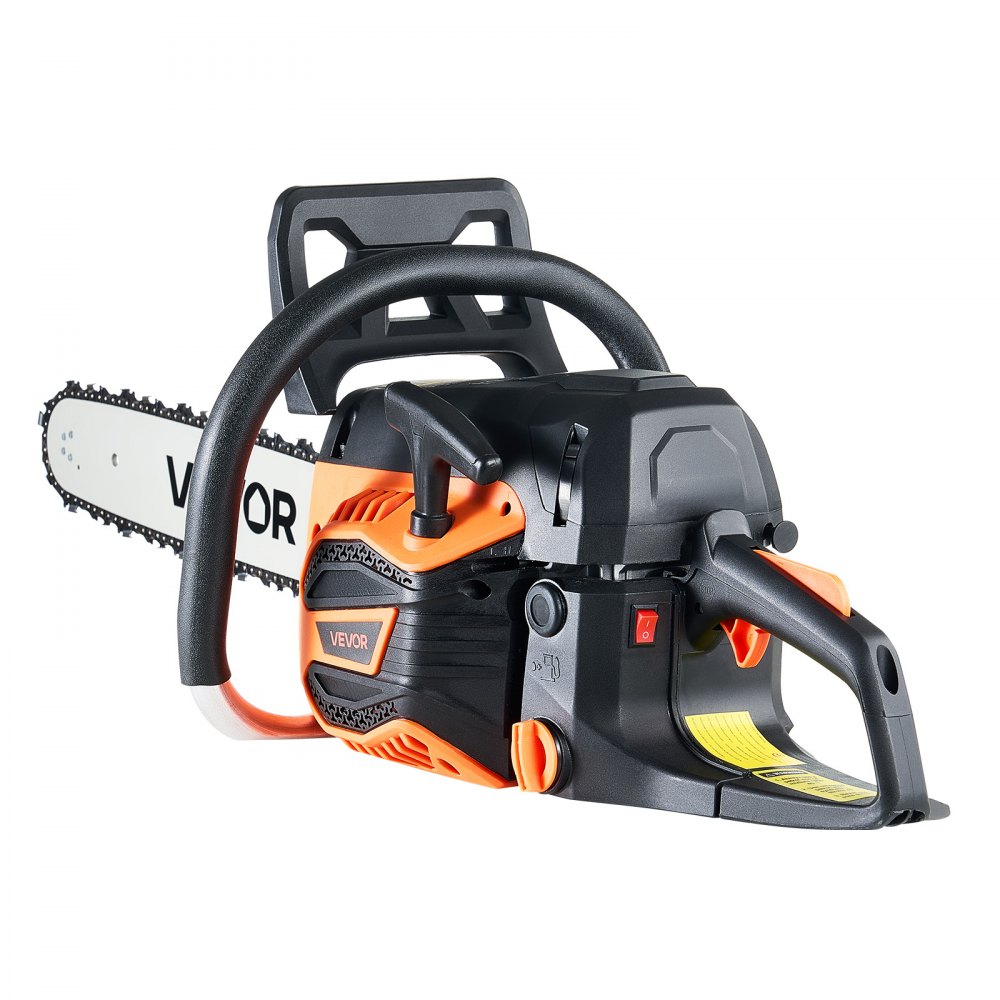
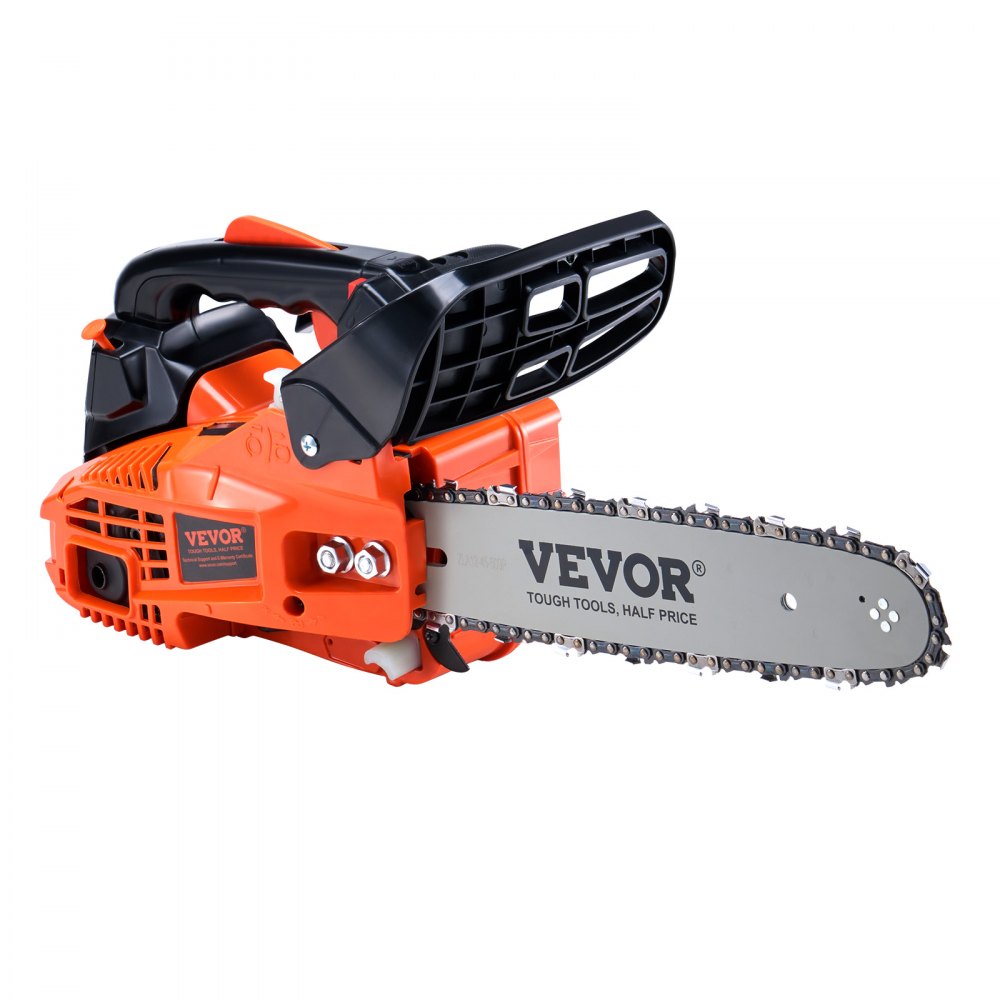
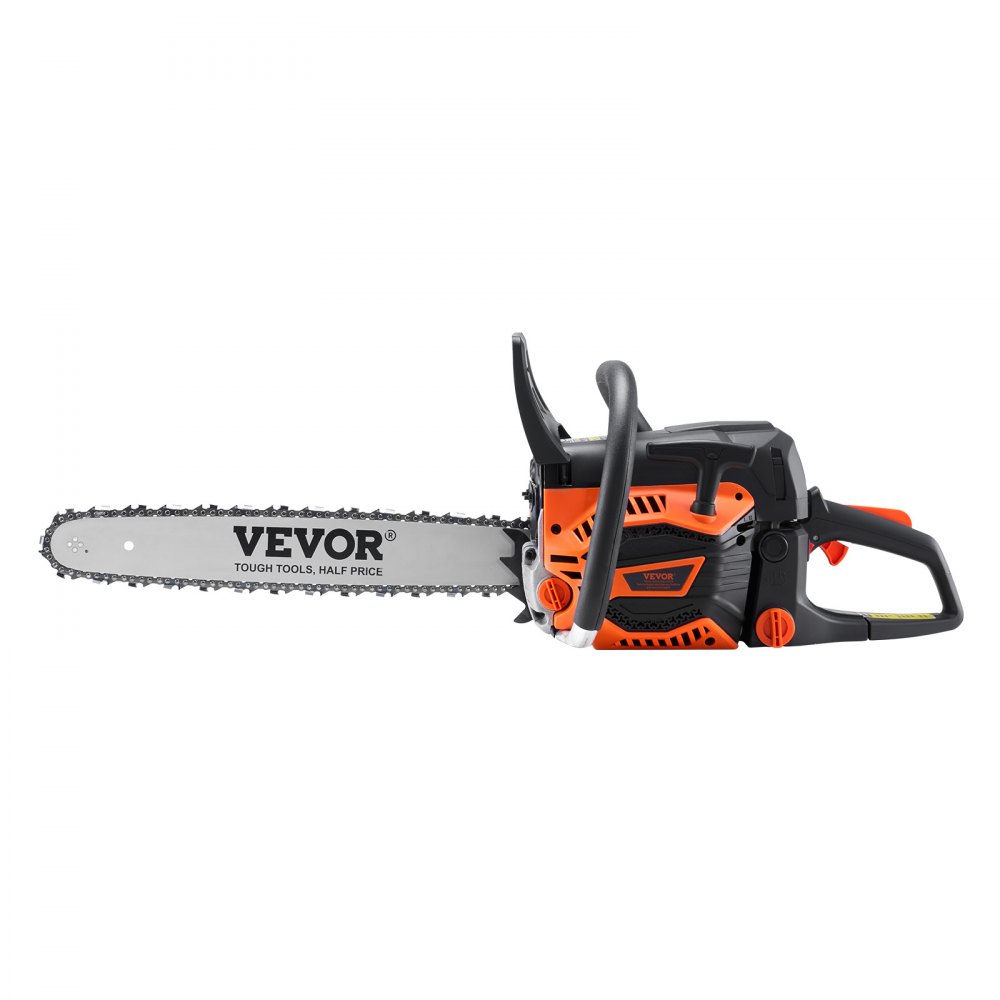
Open two or three PDPs: confirm white-background photos show the real configuration, read the spec table, check manuals if attached, and note Quick ship vs Standard ship before you schedule a weather window.
If most work is high limbs, stop and read the pole saw guide—buying a heavy felling saw to avoid a ladder is a common expensive confusion.
Guide FAQ
Is a 20 inch bar overkill for firewood?
Often yes for stove wood and smaller rounds. Many cutters are faster with 16–18 inches unless they regularly section large-diameter logs.
What does “62cc class” mean?
A heavier consumer/prosumer displacement band for larger wood and longer bars. Expect more weight and fuel use than mid-50cc saws.
Should I buy a multi-tool instead?
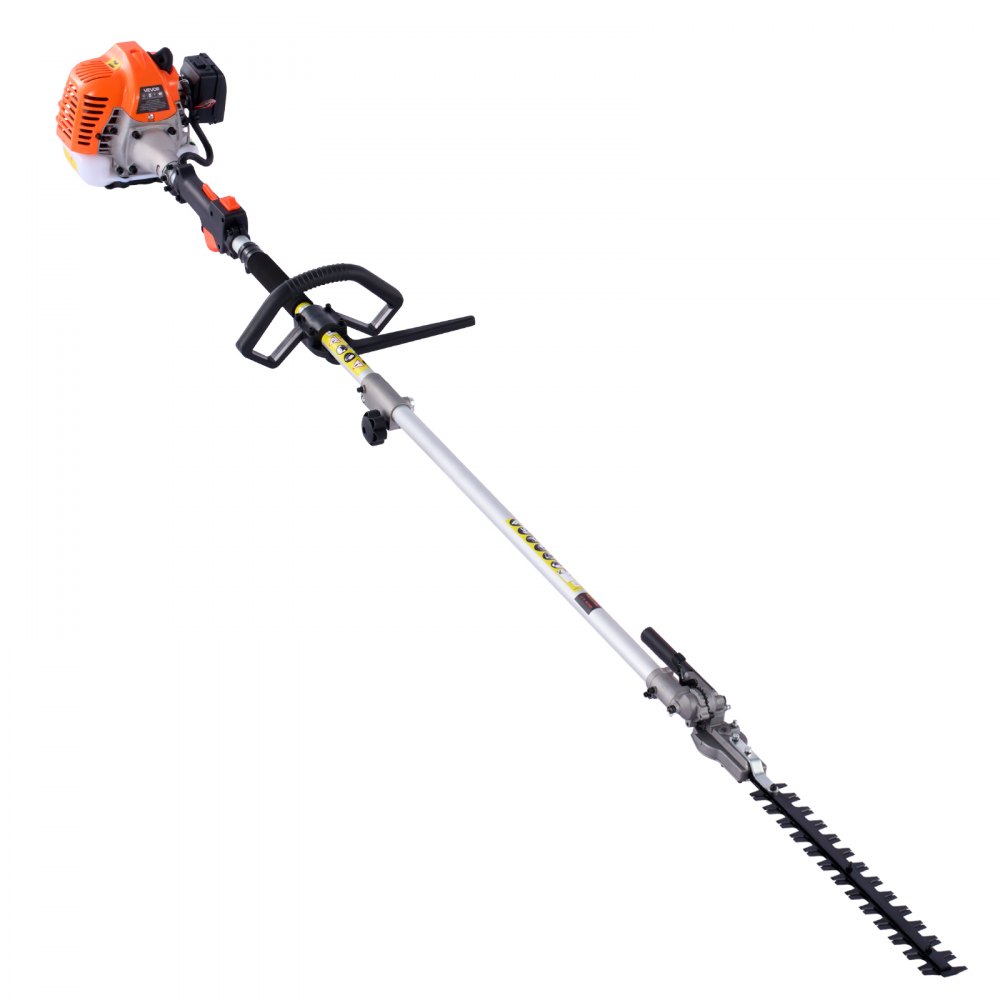
Multi-tools excel at hedge/edge/prune routes. For bucking volume and real felling, a dedicated chainsaw stays primary.
Why does a new saw bog in the cut?
Dull chain, wrong chain direction, bar too long for the engine, bad fuel mix, or dirty air filter. Check sharpness before blaming CC.
How much does ship window matter?
If a storm is already on the calendar, fulfillment timing is part of the tool choice—read the badge on the PDP.