Buying guide · Updated 2026-08-03
Gas Chainsaw vs Electric Chainsaw: Which One Fits Your Property?
Compare gas vs electric chainsaws by cutting diameter, runtime, bar length, and upkeep costs, with clear thresholds for yards, firewood, and wooded lots.
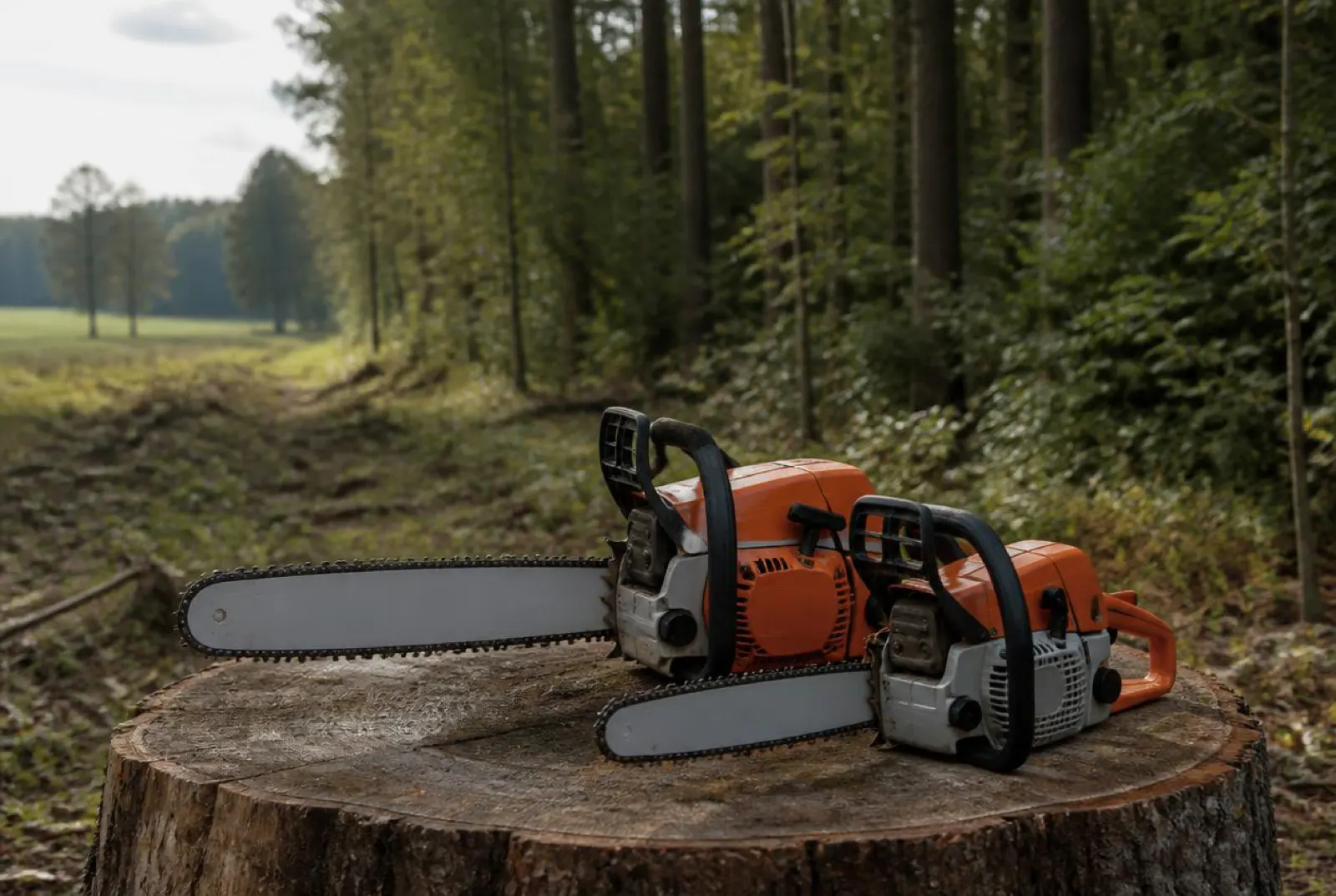
Gas versus electric chainsaw arguments usually go sideways because people debate power ratings. The practical decision is narrower: the diameter of wood you cut most weeks, how long your sessions run, and where power can actually live on your property.
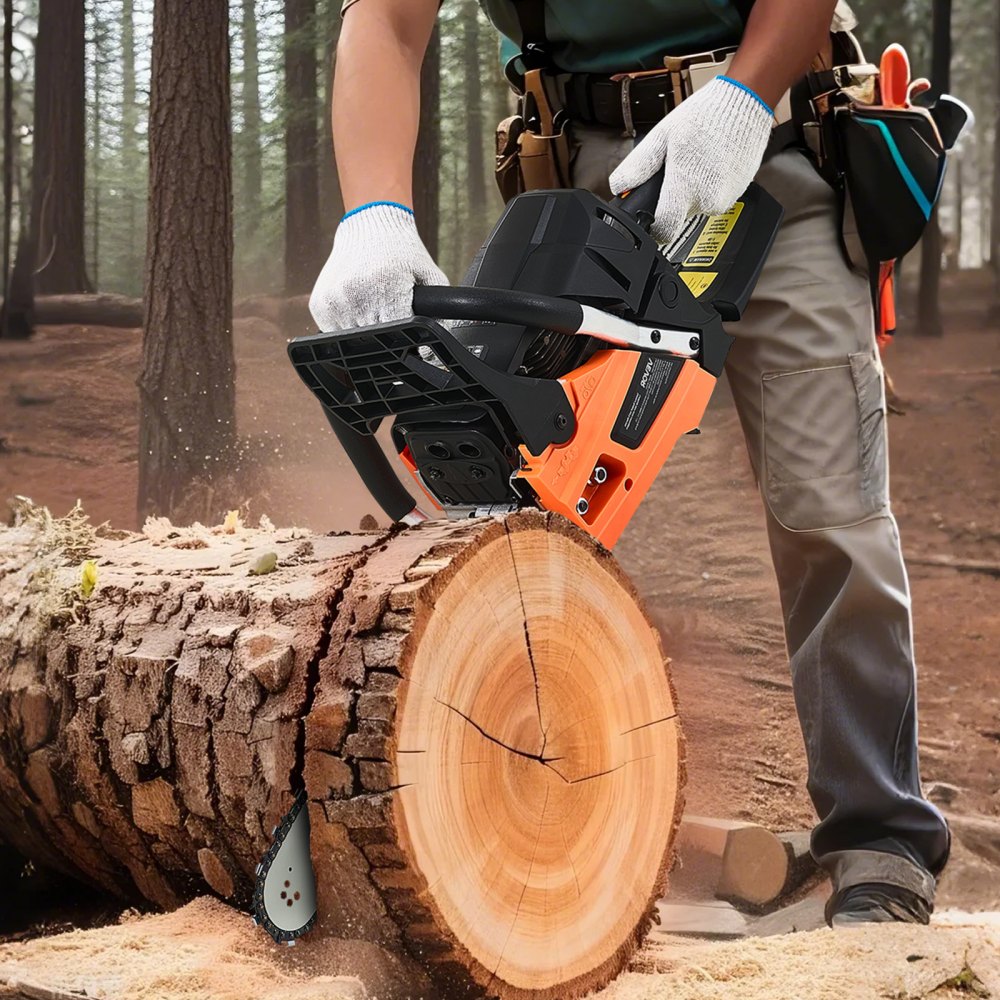
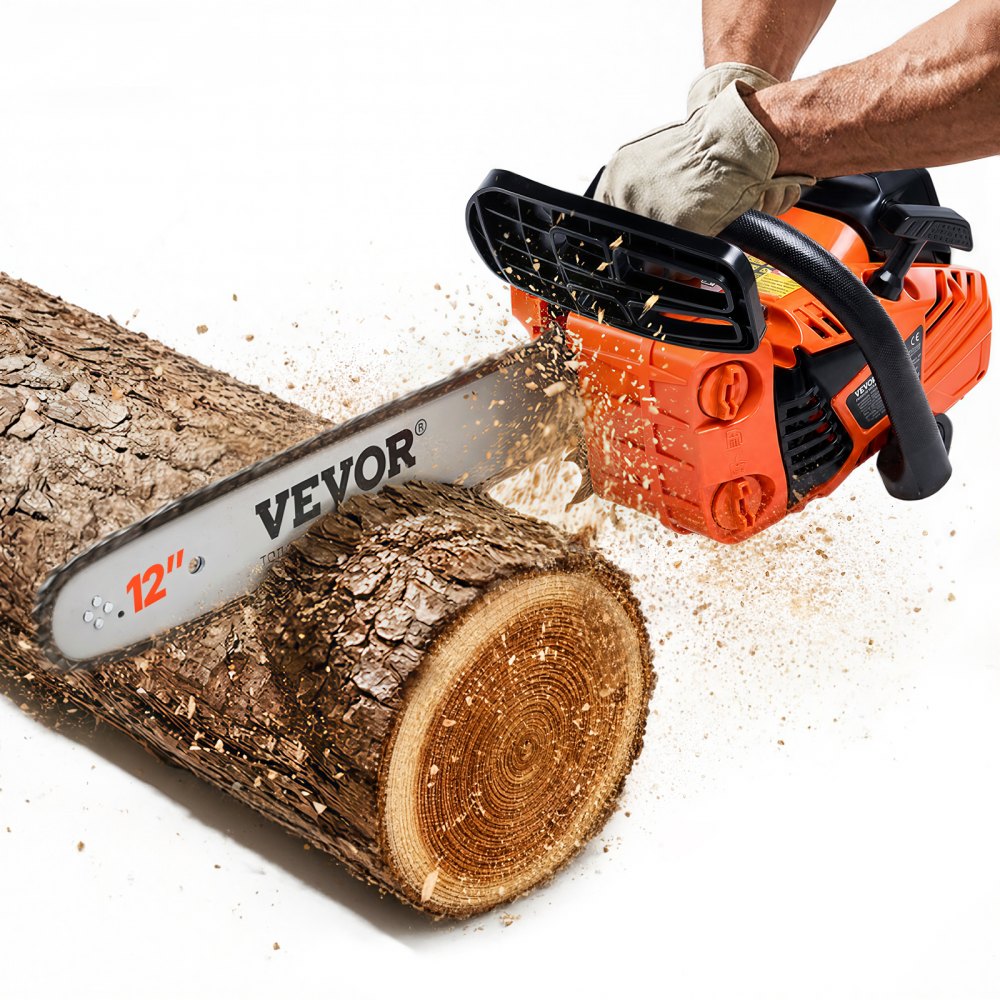
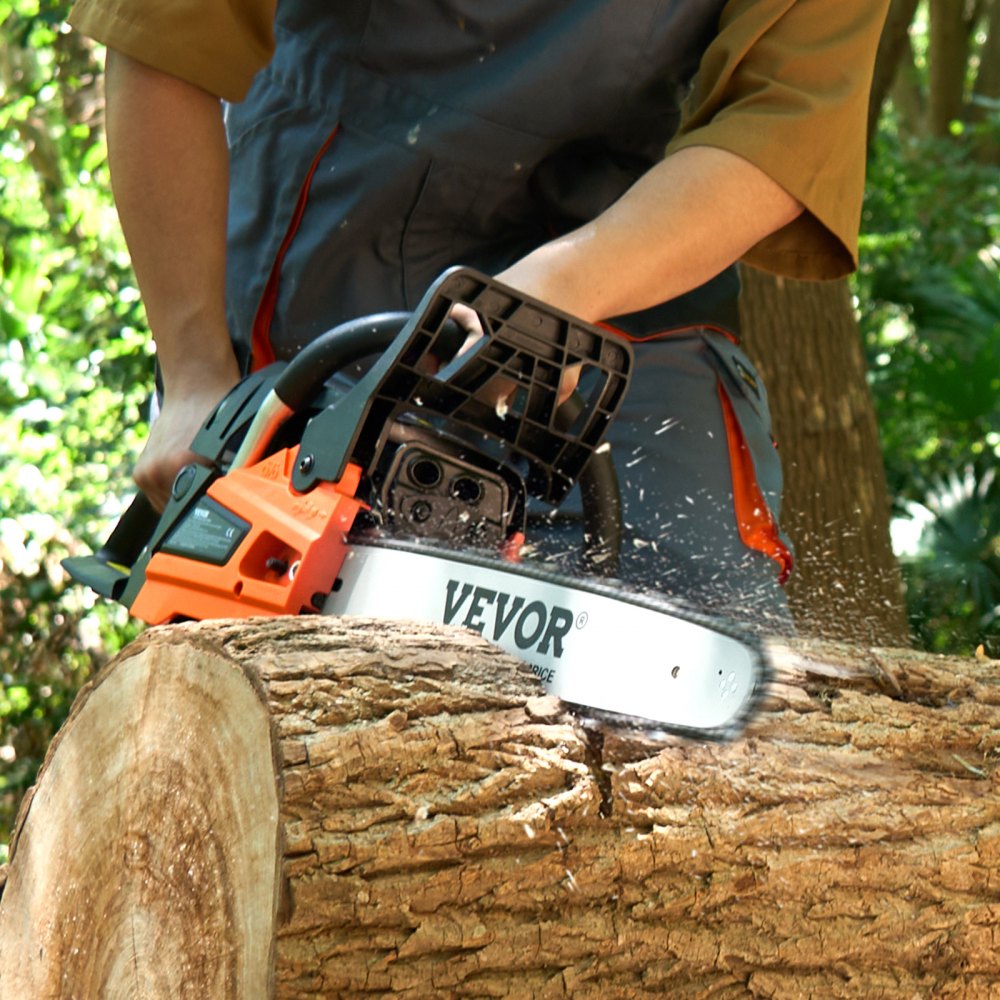
ForgeGate stocks the gas side of this line, from 12-inch compact saws up to 62 cc / 20-inch rigs, so this guide also tells you plainly where an electric saw is the better tool and where a gas saw earns its maintenance bill.
Where electric saws win, and where they run out of saw
Corded electric saws are at their best on suburban lots: light pruning, trimming, occasional storm limbs under about 8-10 inches, and quick cuts within roughly 100 ft of an outlet. They start every time, run quieter, and need almost no maintenance beyond chain tension and bar oil.
The limits are physical. Cord radius defines your work area, thin extension cords rob power, and small electric motors bog or trip when asked to pull a long bar through dense hardwood. Battery saws trade the cord for a runtime ceiling measured in minutes of loaded cutting per charge.
If your cutting happens where outlets do not exist-woodlots, fence lines, storm debris spread across the property-electric stops being the primary saw and becomes the porch saw.
Bar length thresholds apply to both fuels
Fuel does not change job sizing. Bars up to about 12-14 in are pruning and light storm work. 16-18 in is the firewood and general property band. 20 in and up is big-diameter bucking and light felling.
Electric motors run out of torque sooner, so long bars on electric saws are mostly marketing. On the gas side the pairing still matters: a 52 cc-class engine with an 18 in bar is a common all-property setup, while a 62 cc-class engine is what actually pulls a 20 in bar through hardwood without bogging.
Runtime and refueling decide real work capacity
A gas saw runs as long as you can pour fuel: a mid-size saw refuels in under a minute and goes back to work. For firewood piles measured in cords, that continuous duty is the entire argument.
Battery saws do real work in bursts-plan around loaded minutes per charge plus the cost of spare batteries. Corded electrics run continuously but are tethered to outlet geography.
Cold weather tilts the math too. Gas saws need correct two-stroke mix and winter-start patience; electrics fire instantly but shed battery runtime in the cold.
Maintenance, weight, and noise
Gas ownership is fuel discipline: correct mix ratio per the manual, fresh fuel, clean air filter, sharpened chain, checked bar oil. Skip it and you own a spring no-start project.
Electric saws shed most of that-no carb, no fuel mix, less weight. The flip side: when an electric motor or battery pack fails you usually replace the unit, while gas saws can be field-serviced for years with chain, bar, plug, and filter work.
Noise is a real spec if you have close neighbors; electric saws run noticeably quieter than two-strokes.
Match the saw to the property profile
Suburban lot, occasional limbs under 10 in, outlets nearby: an electric saw is the honest answer, and a gas saw is a luxury.
Acreage with regular firewood, storm cleanup, and cutting spread across the property: gas. A 52 cc-class / 18 in saw covers the 80-percent work; step up to 62 cc / 20 in when you routinely buck large-diameter hardwood.
Mixed properties often end up running two roles: a compact gas saw in the 12 in class for quick jobs away from the house, and a mid-class saw for the woodpile.
Guide FAQ
Is a 20-inch electric chainsaw realistic?
Rarely. Long bars demand torque that small electric motors cannot sustain under load; judge electric saws at 16 inches of bar and under.
Which costs more per year to run?
Gas burns fuel mix plus consumables (chain, bar, plug, filter); electric costs are mostly bar and chain oil plus electricity. Gas spends more, but it also does the work electric cannot.
Can a battery saw replace gas for firewood?
Only at low volumes with multiple batteries. Cord-level firewood volumes still favor gas refills over charge cycles.
What should I check on the listing before buying a gas saw?
Displacement in cc, bar length in inches, fuel type, and the fulfillment badge. ForgeGate publishes these as structured facets so you can compare on specs, not photos.