Buying guide · Updated 2026-07-31
How to Choose a Borescope / Inspection Camera
Pick a borescope by cable length, probe diameter, dual/triple lens, and whether you need Wi-Fi or a built-in screen. Cable diameter, drum length, auto-feed, cameras/locates, and truck-kit thinking for real service work.
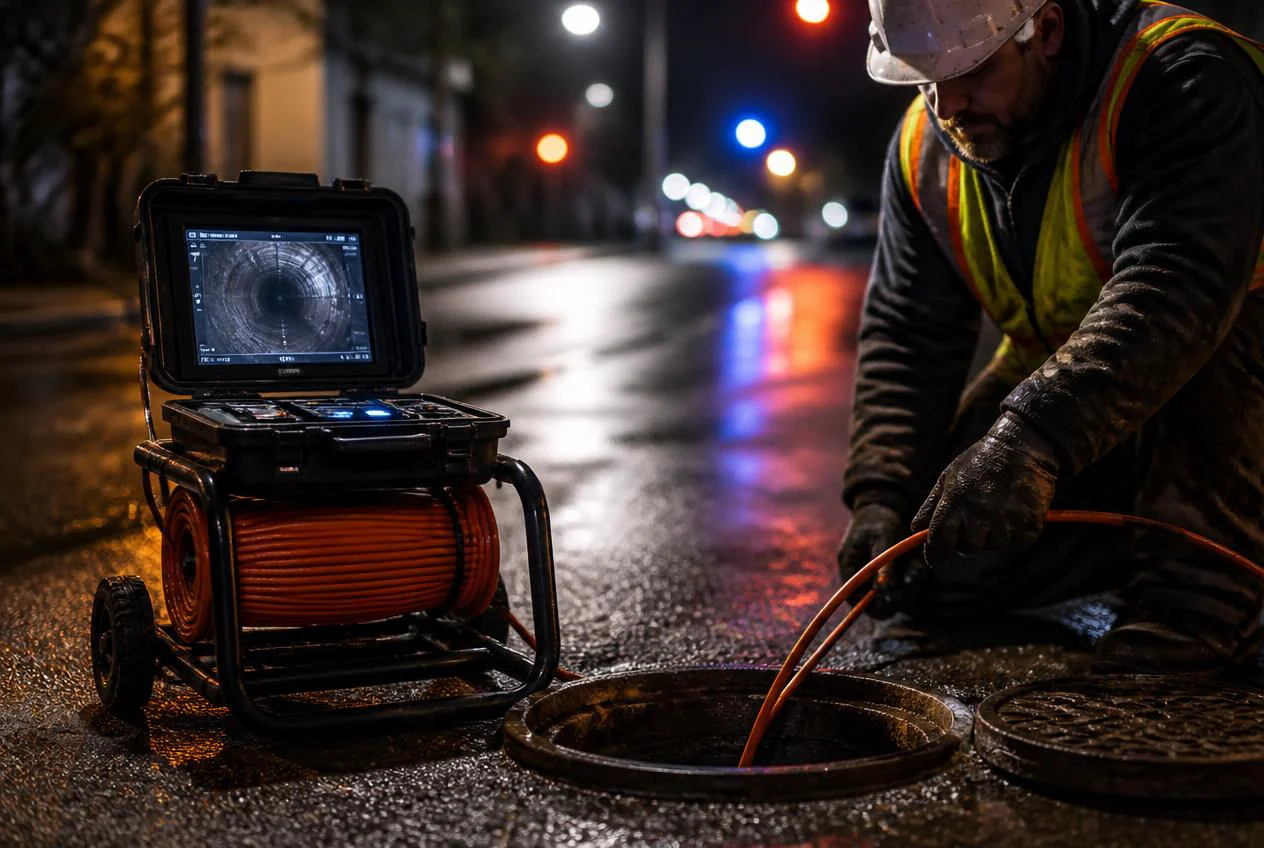
Drain work is geometry and proof. The wrong cable diameter will not climb the line or will not fit the fixture. Cameras turn “somewhere under the slab” into a mark you can dig with confidence—and a recording you can show a customer.
This guide covers machine selection, auger vs drum machines, inspection tools, threaders, and utility pumps as a coherent van kit rather than isolated gadgets.
Cable diameter, length, and pipe range
Match cable diameter to the pipe range on the PDP. Residential lines often land in common 2–4" patterns with 1/2" class cables—but always verify the stated range.
Drum length (including 100ft class) decides whether you can reach deeper mains without moving cleanouts. Longer is heavier on stairs and in tight basements.
Auto-feed and foot switches reduce fatigue on all-day routes and keep hands freer near rotating cable.
Auger vs wheeled machine
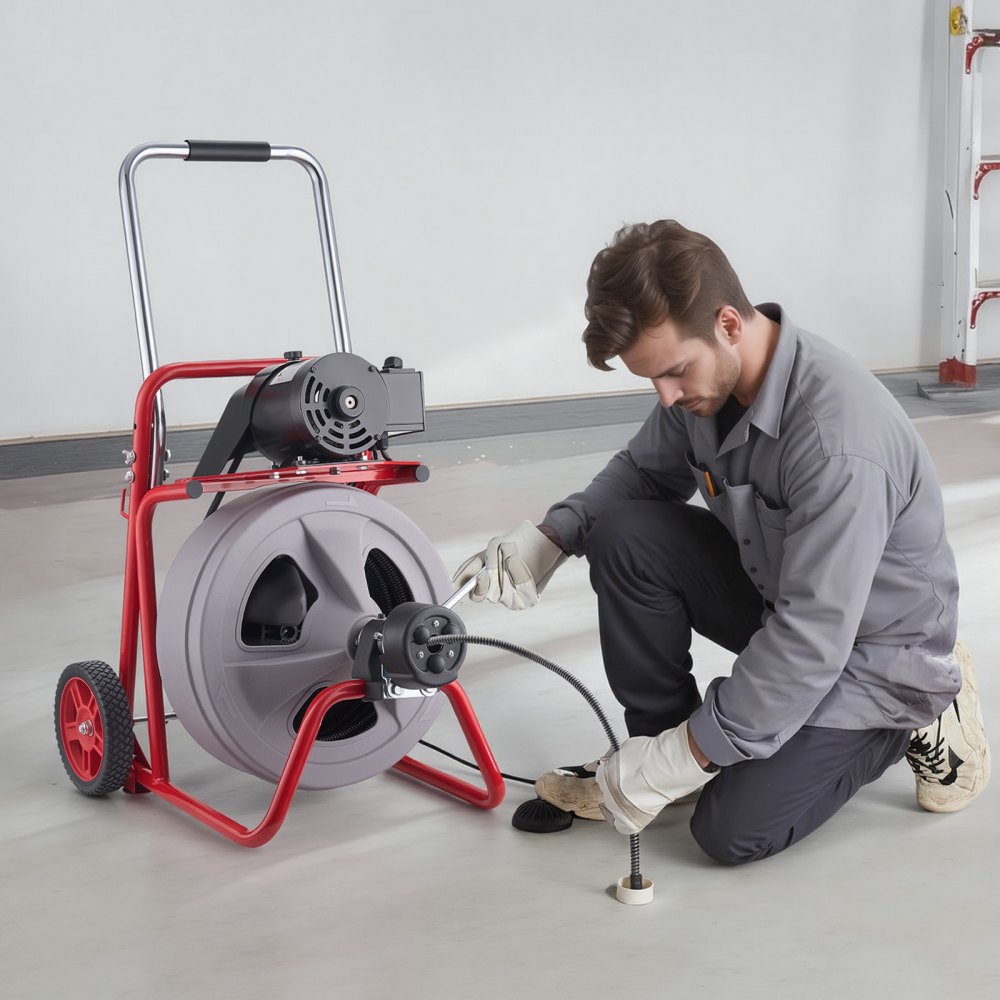
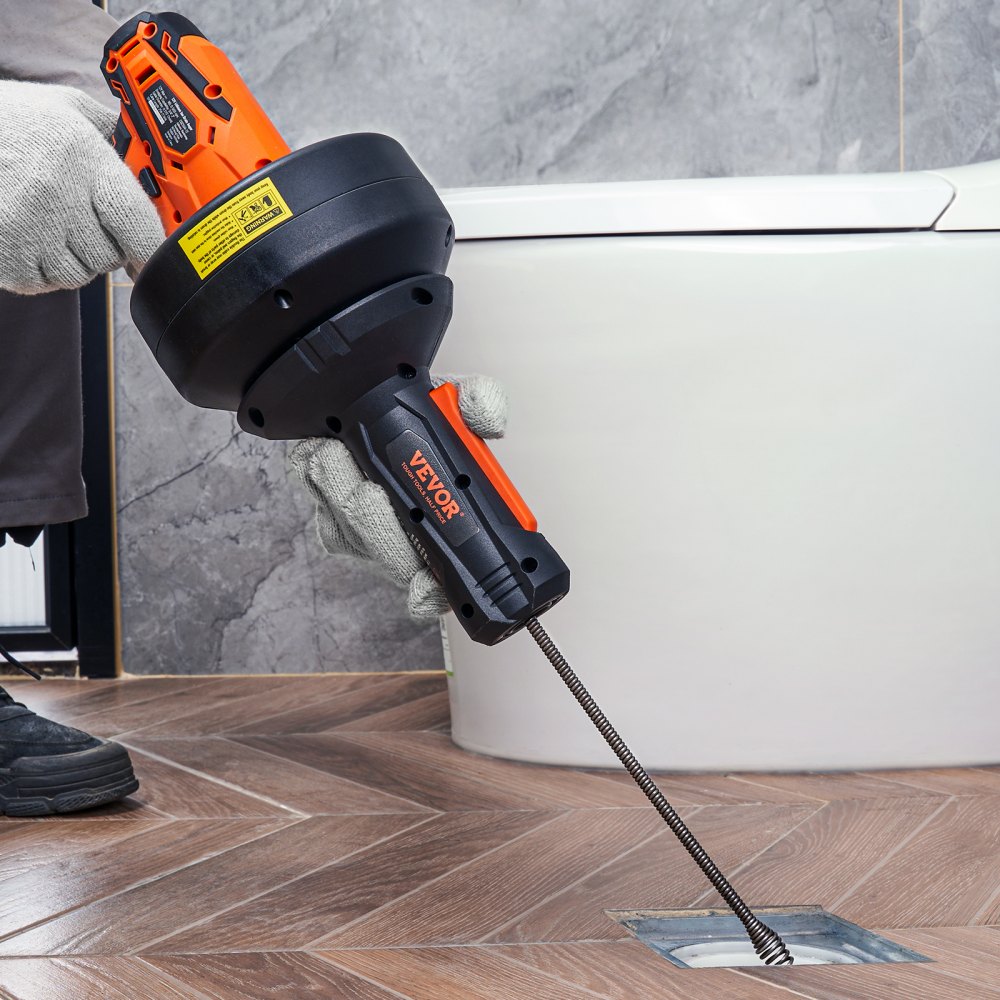
Handheld/drill augers win on sinks, tubs, and short indoor runs. They are cheap to stage in every van.
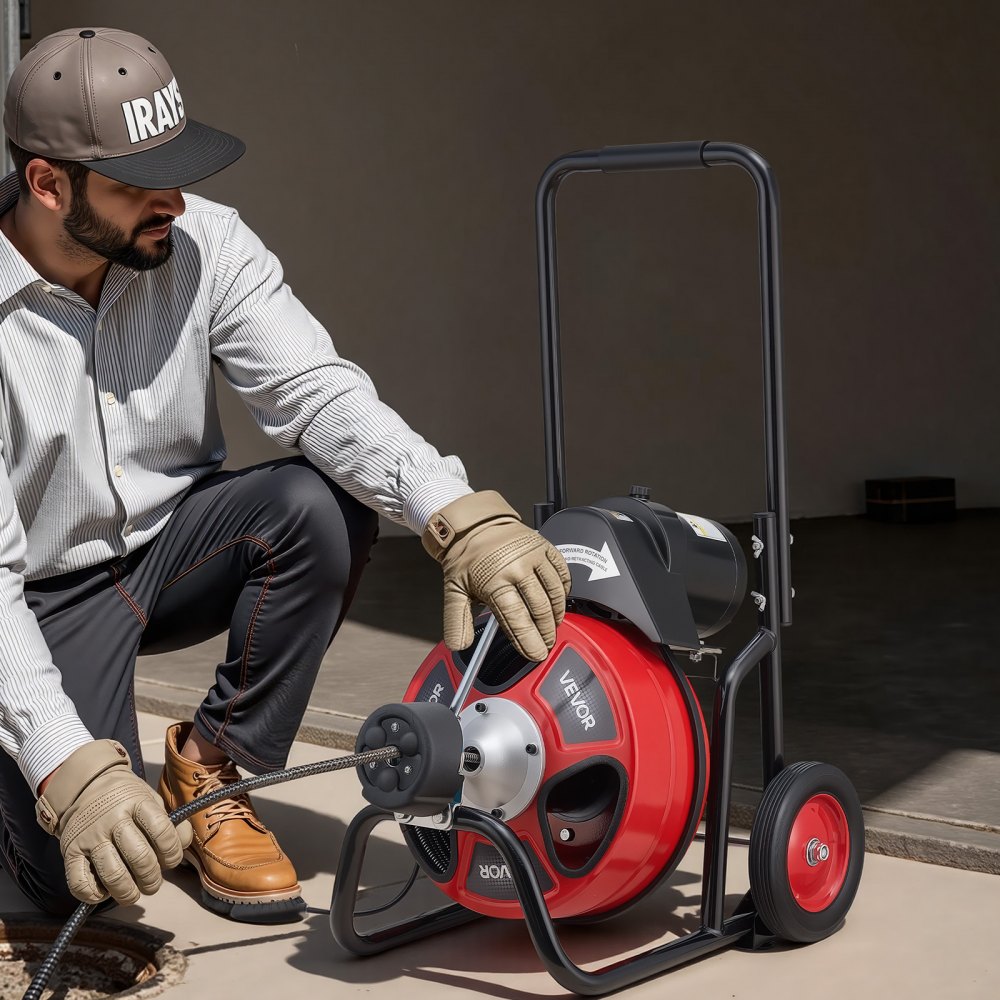
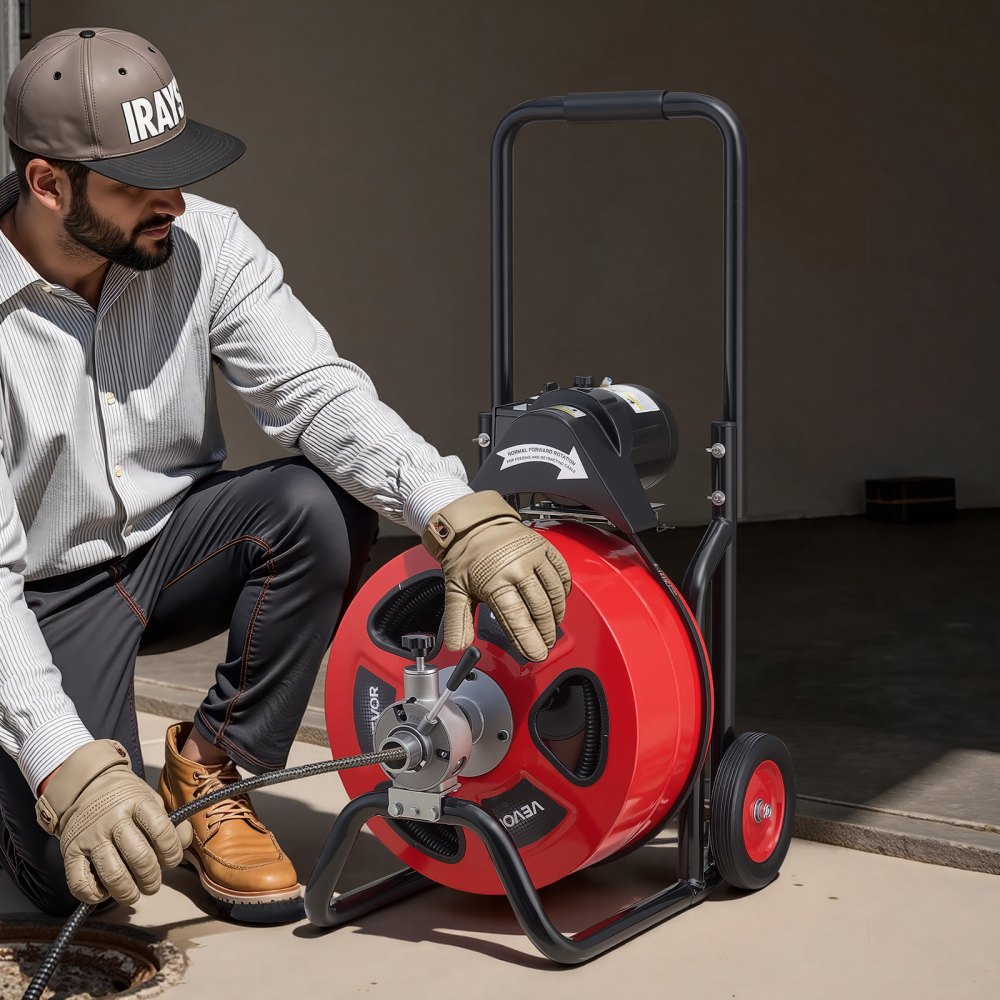
Wheeled machines win on laterals and mains with serious footage. Many shops own both rather than forcing one tool into every opening.
Cameras, sondes, and locates
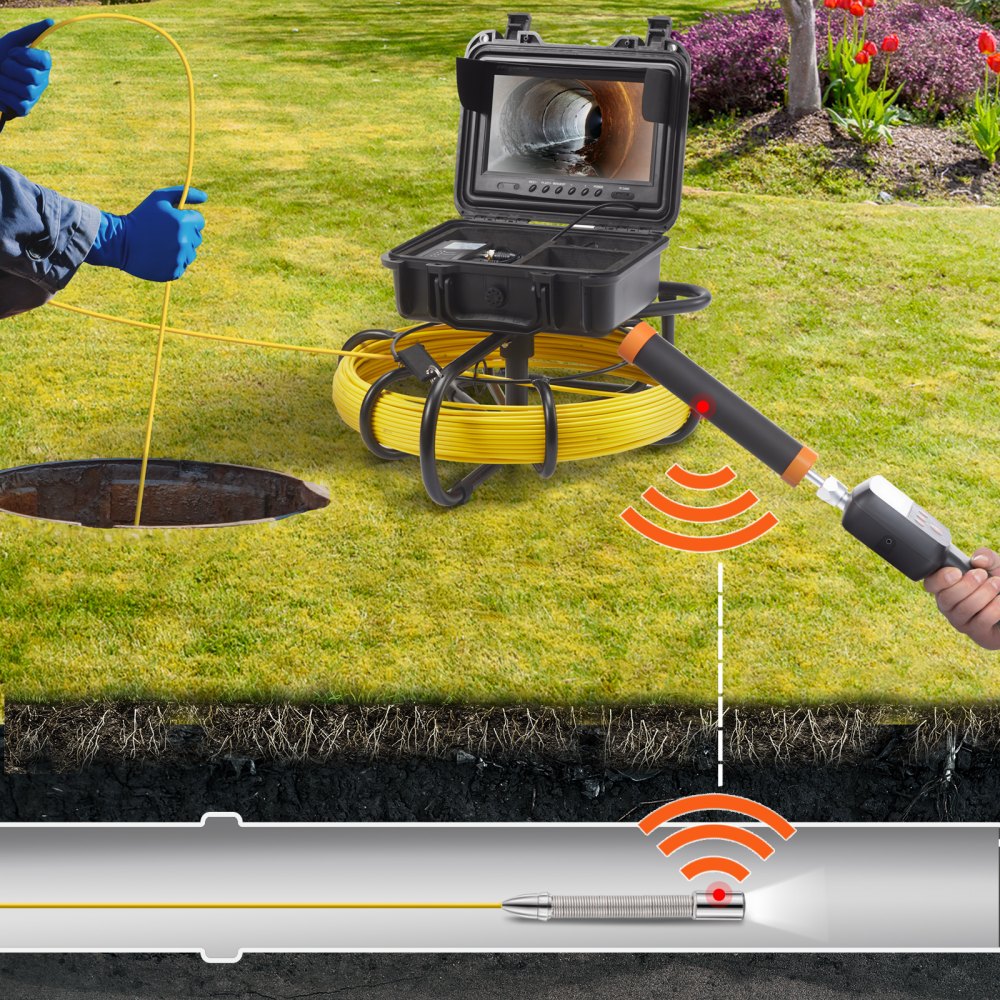
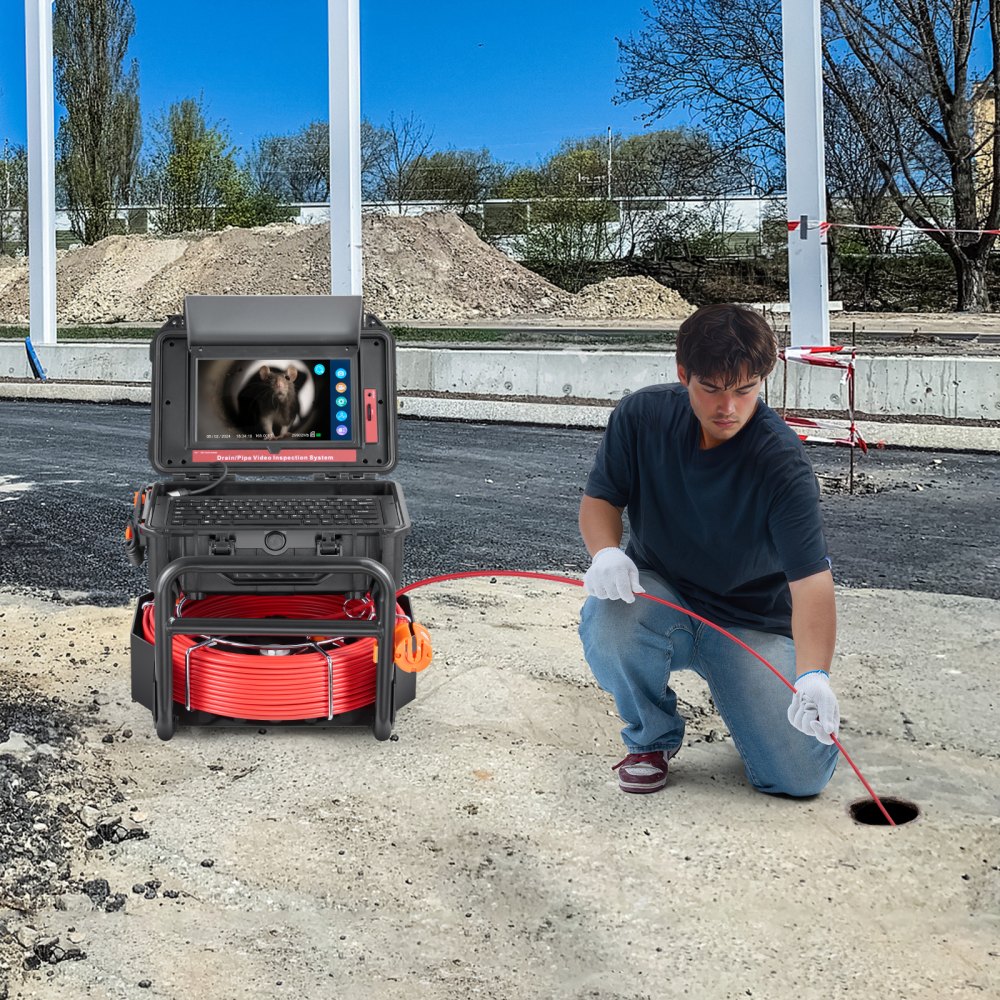
Push cameras with distance counters and decent lighting diagnose roots, offsets, and collapsed sections.
512Hz sondes help mark buried lines before you dig. One wrong excavation through landscaping can cost more than the locate capability.
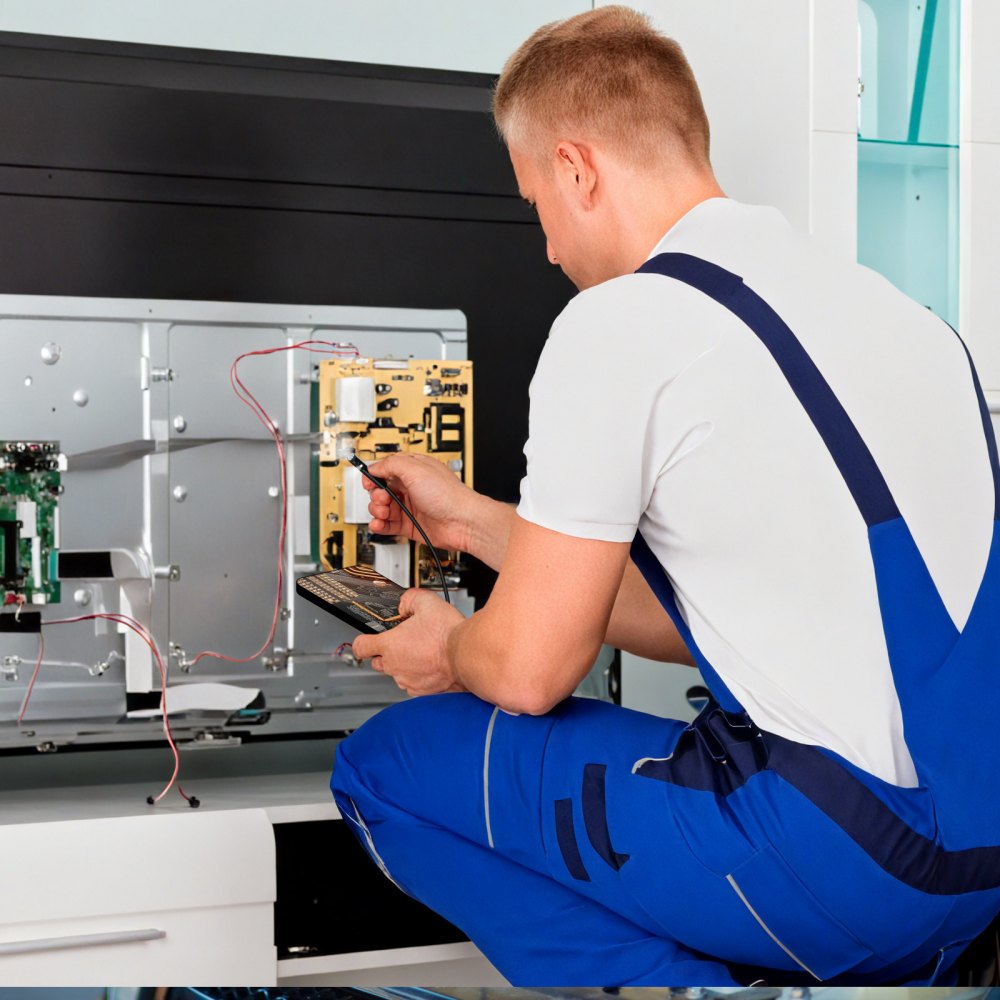
Borescopes are for short passages and mechanical inspection—they are not full mainline cameras.
Threaders and fabrication adjacent work
If you rebuild steel pipe, an electric threader earns its floor space. Confirm capacity range and keep dies sharp; dull dies make leak paths.
Cutting oil and clean threads are part of professional output, not optional shop mess.
Utility sink pumps
Size by head height and real flow needs. Peak GPH without head context lies.
Check valve orientation and local venting rules matter as much as the pump curve.
Building the kit on ForgeGate
Start with the machine that matches your most frequent line class, add cutters, then camera/locate if you dig or sell diagnostics.
Read ship windows on heavy wheeled units so you can stage receiving and truck loading.
Guide FAQ
Do I need auto-feed?
If you clear drains daily, yes for shoulders and pace. Occasional users may accept manual feed.
Camera first or machine first?
If you already have mechanical clearing capacity, a camera upgrades diagnostics. If you cannot clear, the machine comes first.
Is a borescope enough for sewer mains?
No. Use a real push camera for mains; borescopes are short-range tools.
Why 512Hz?
It is a common sonde frequency for locating camera heads from above ground with a compatible locator.