Buying guide · Updated 2026-07-31
Restaurant Prep Equipment Basics
Start with cold prep capacity and a mixer/oven pair that matches ticket volume—not Instagram kitchens. Capacity, duty cycle, voltage, and line workflow for light commercial kitchens—cafés, bakeries, ghost kitchens, and commissaries.
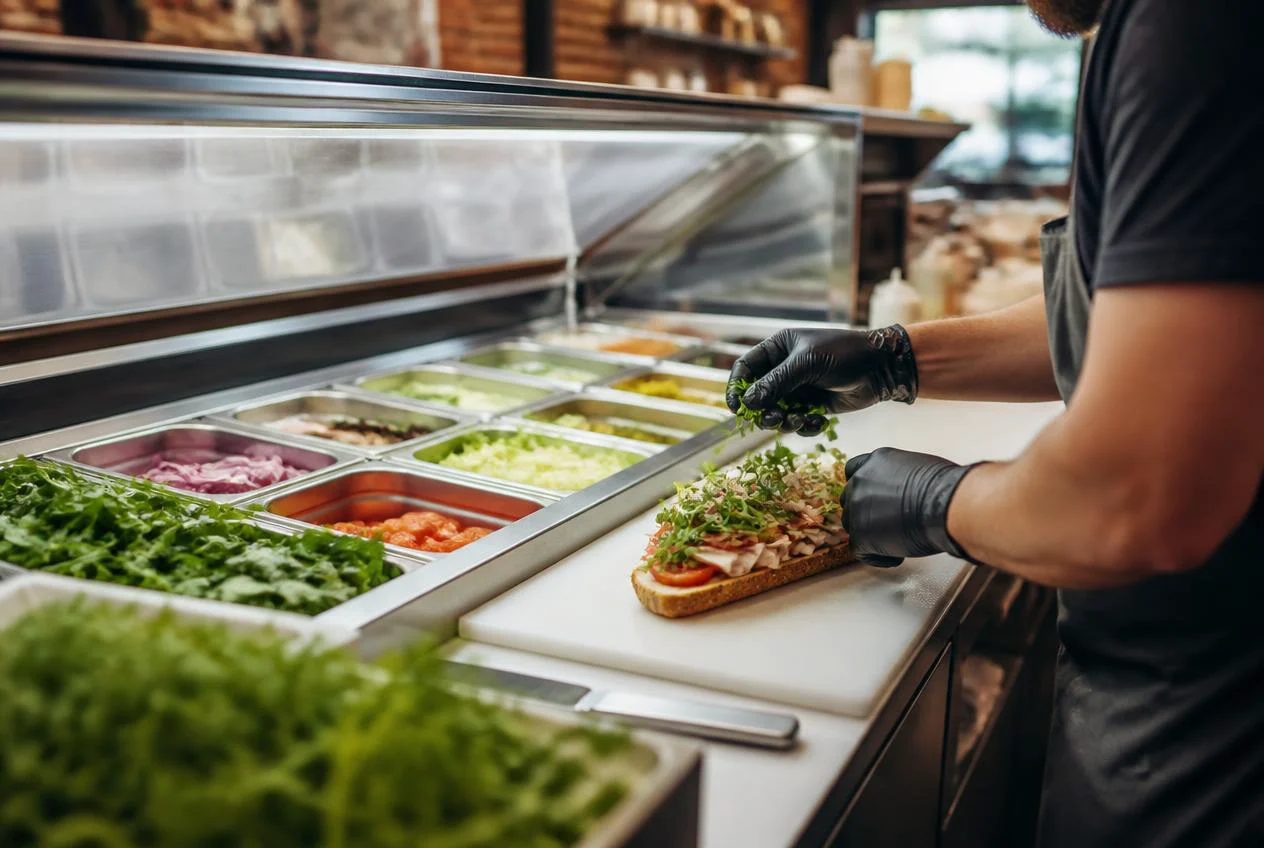
Light commercial kitchens punish residential equipment. Duty cycle, bowl volume, chamber capacity, and recovery time decide whether service holds or collapses at 11:30 a.m.
Restaurant Prep Equipment Basics focuses on sizing logic, electrical reality, and workflow pairing—mixers with ovens, cold prep with hold equipment—so you buy a line, not a single shiny object.
Size to the heaviest daily batch—not the average Instagram day
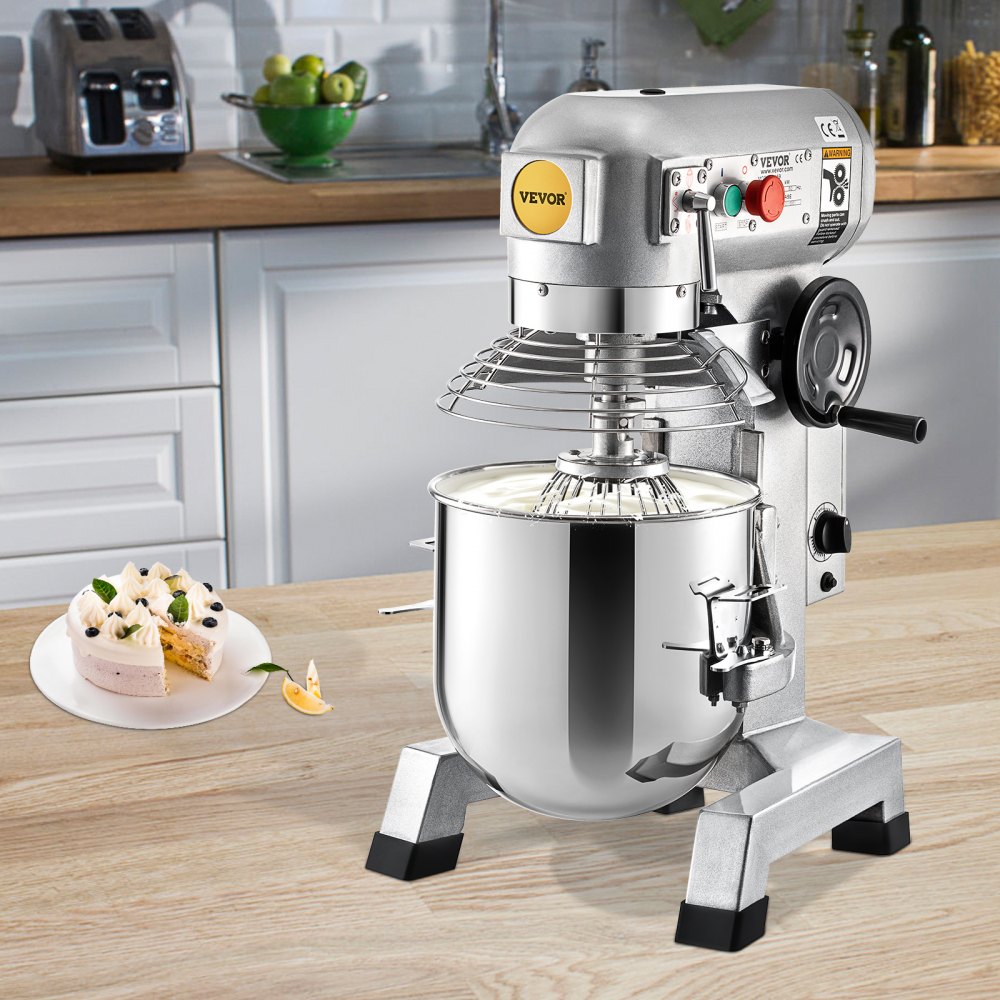
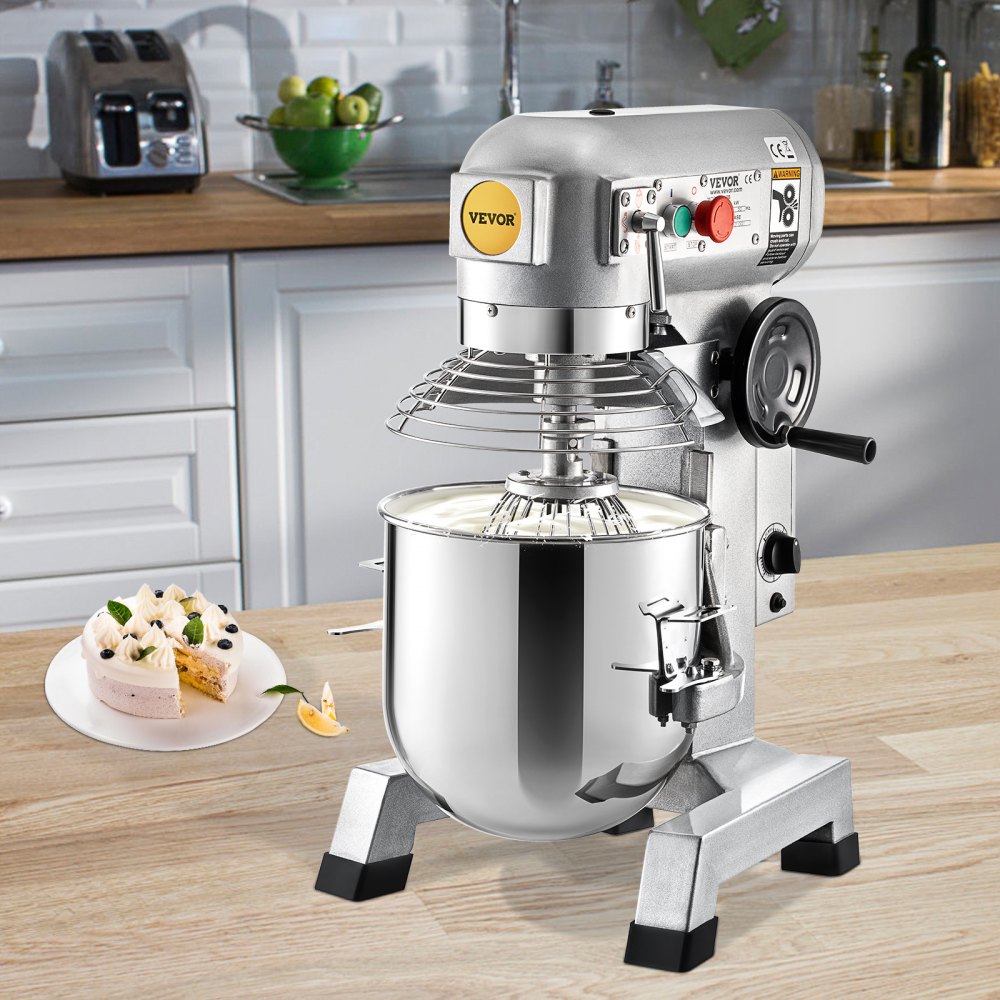
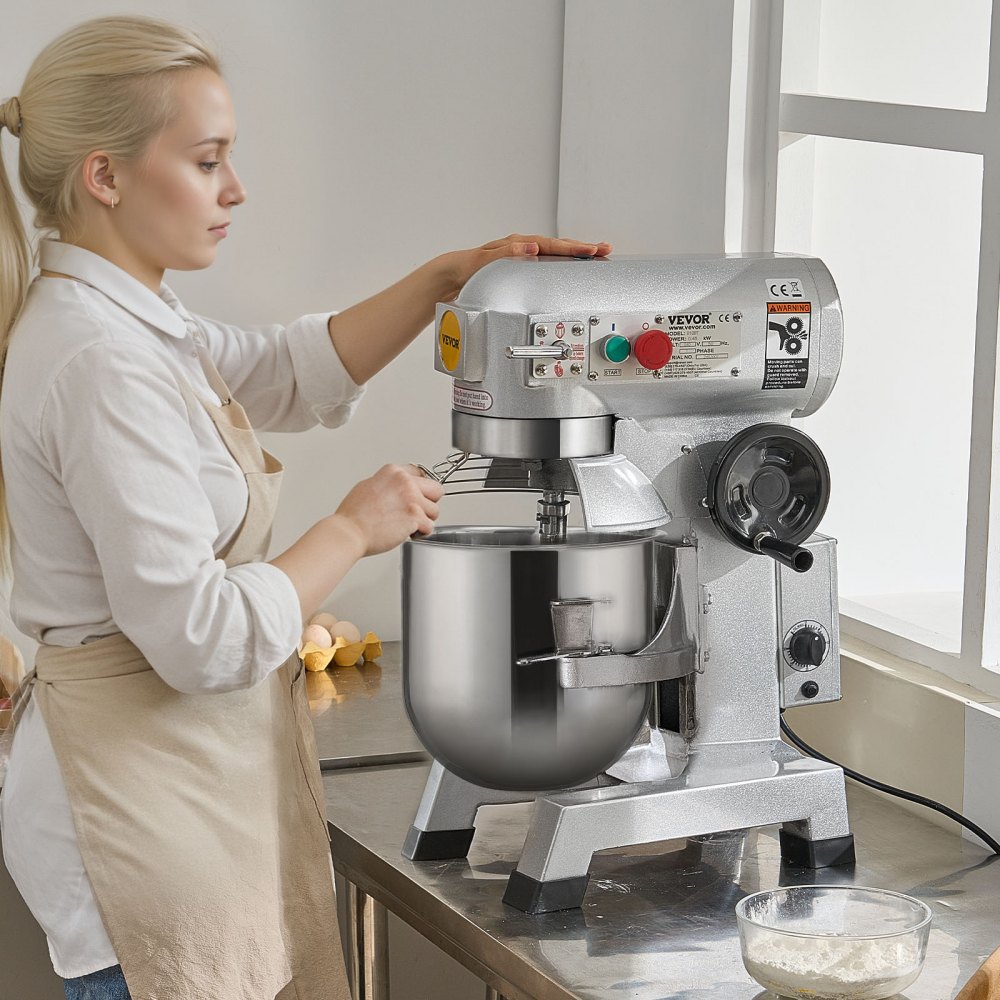
For planetary mixers: 15 qt suits lighter café batches and icing work; 20 qt is a common daily dough step-up; 30 qt is for kitchens that already max a 20 qt and burn labor on double batches.
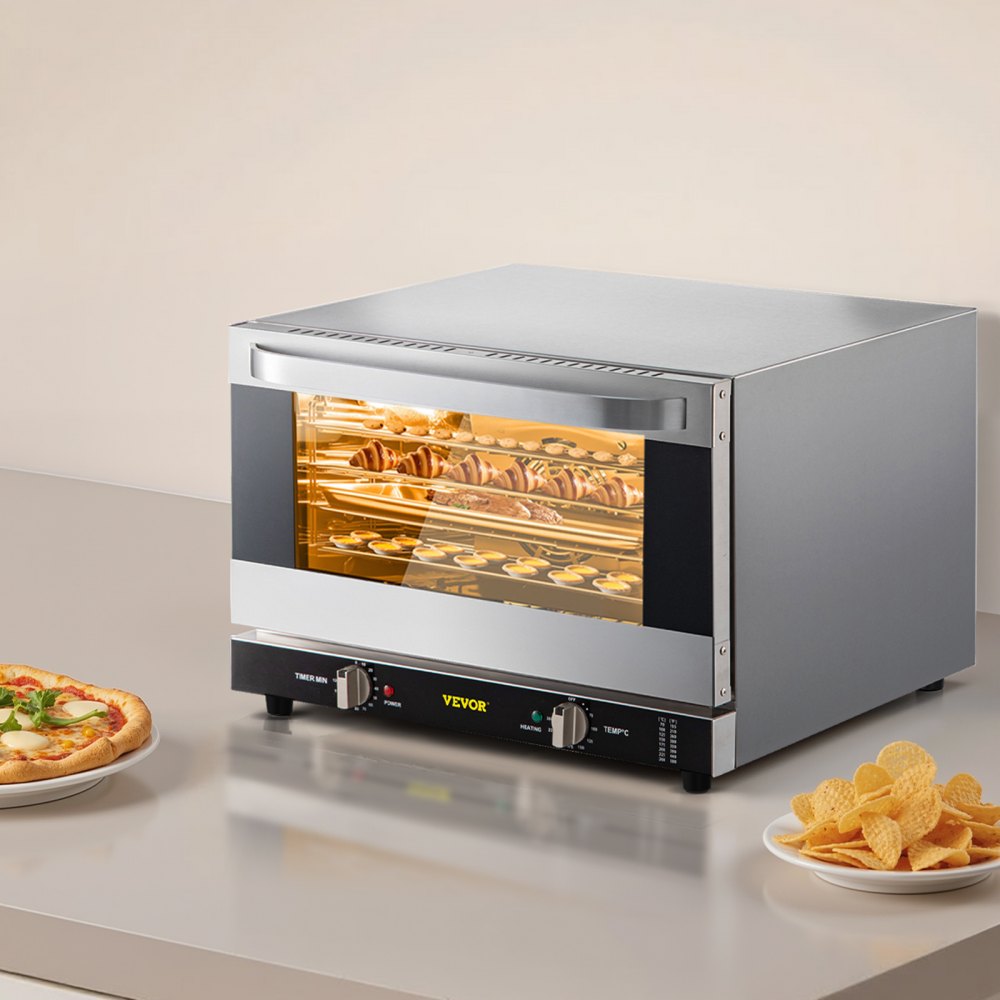
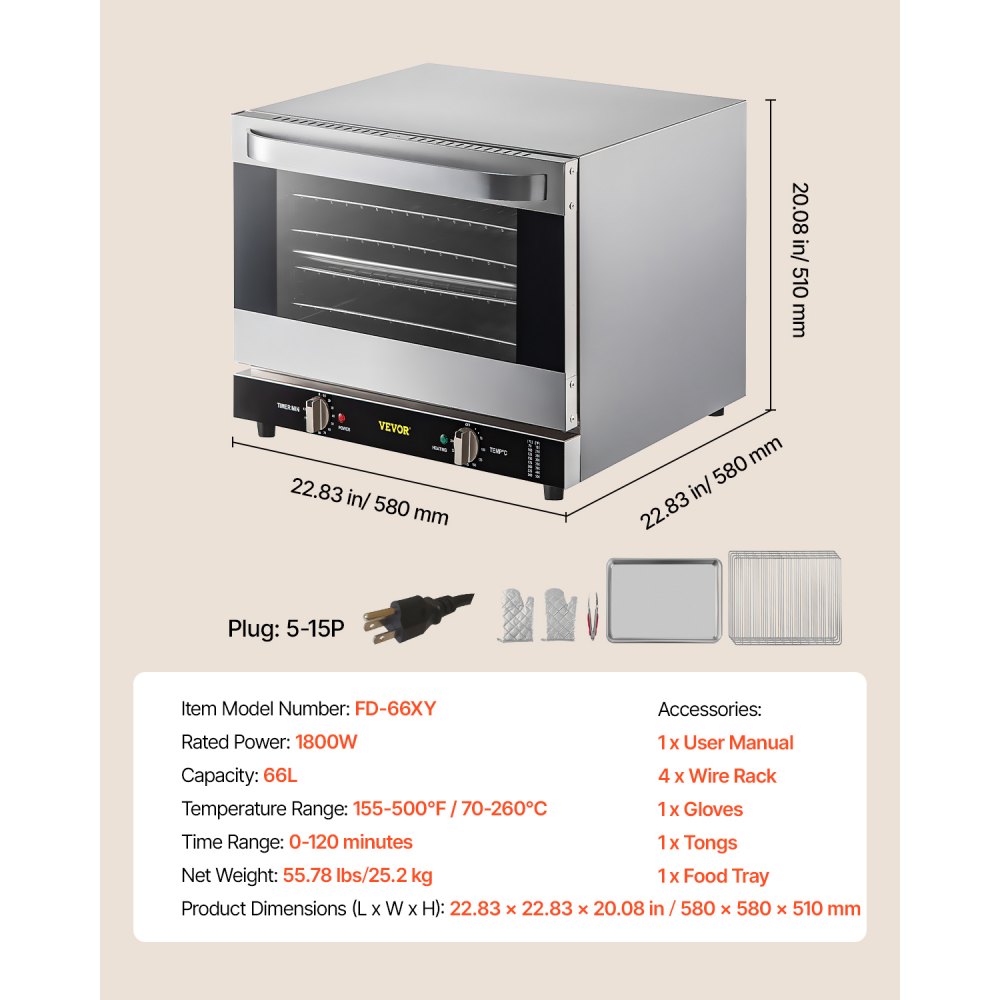
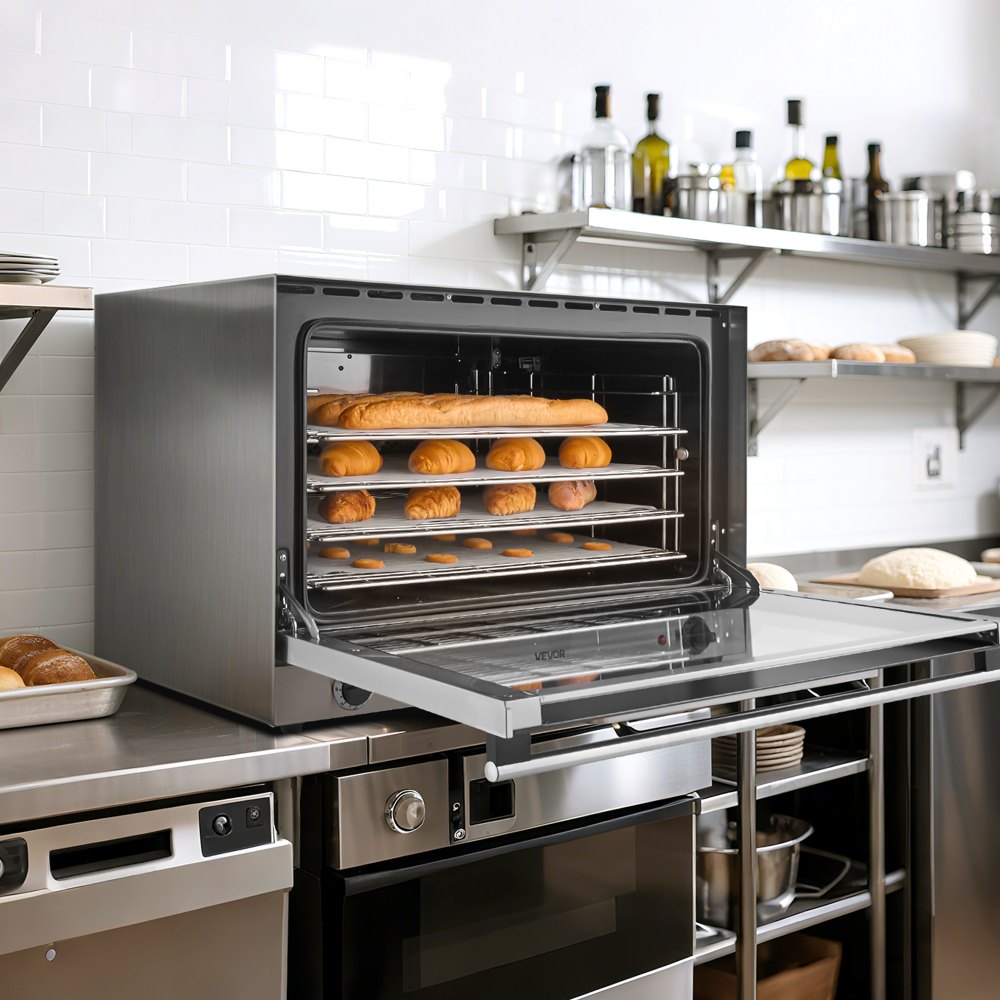
For ovens: chamber volume and pan/rack compatibility beat exterior width bragging. Overloading racks blocks airflow and creates pale centers.
Voltage and receiving are part of the SKU
120V gear plugs into more spaces; higher voltage may need an electrician and a panel plan. Read the PDP voltage field twice.
Stainless mixers and refrigeration are heavy. Plan a path, a dolly, and possibly liftgate service—ship windows matter for contractor schedules.
Cold line discipline
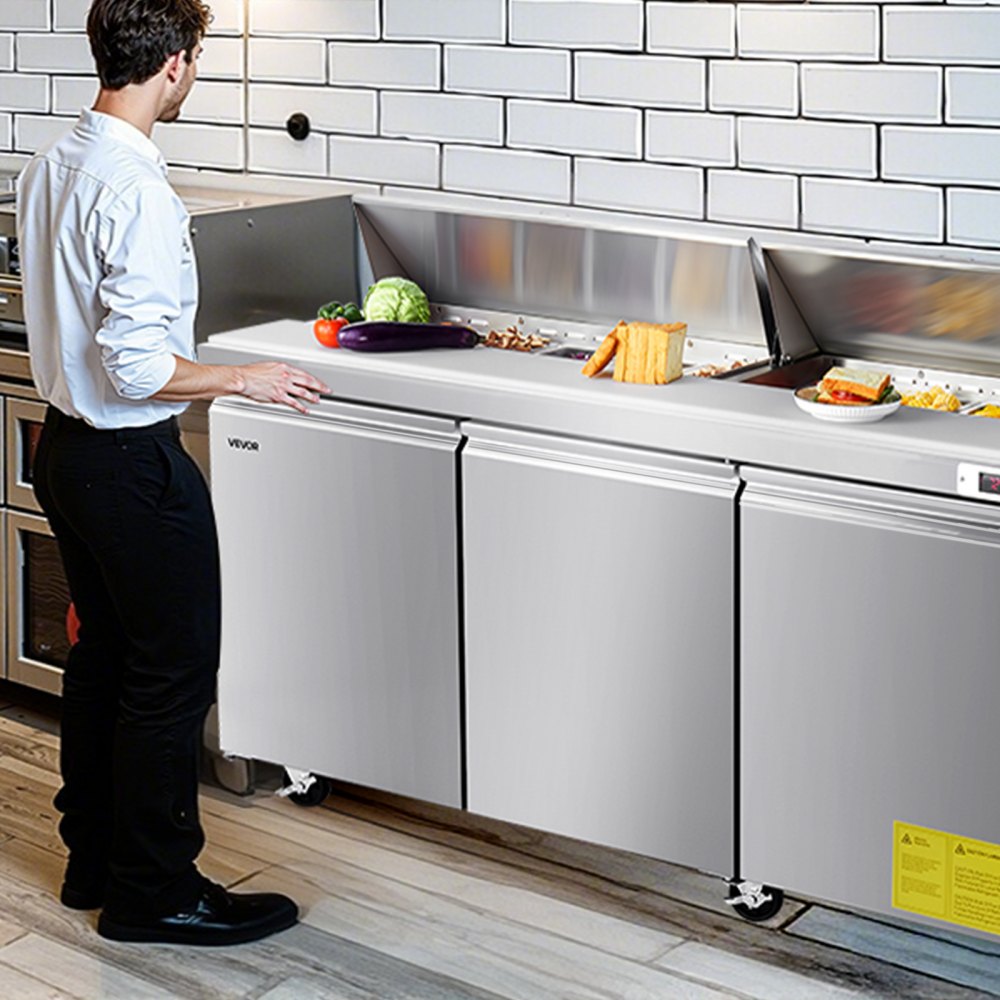
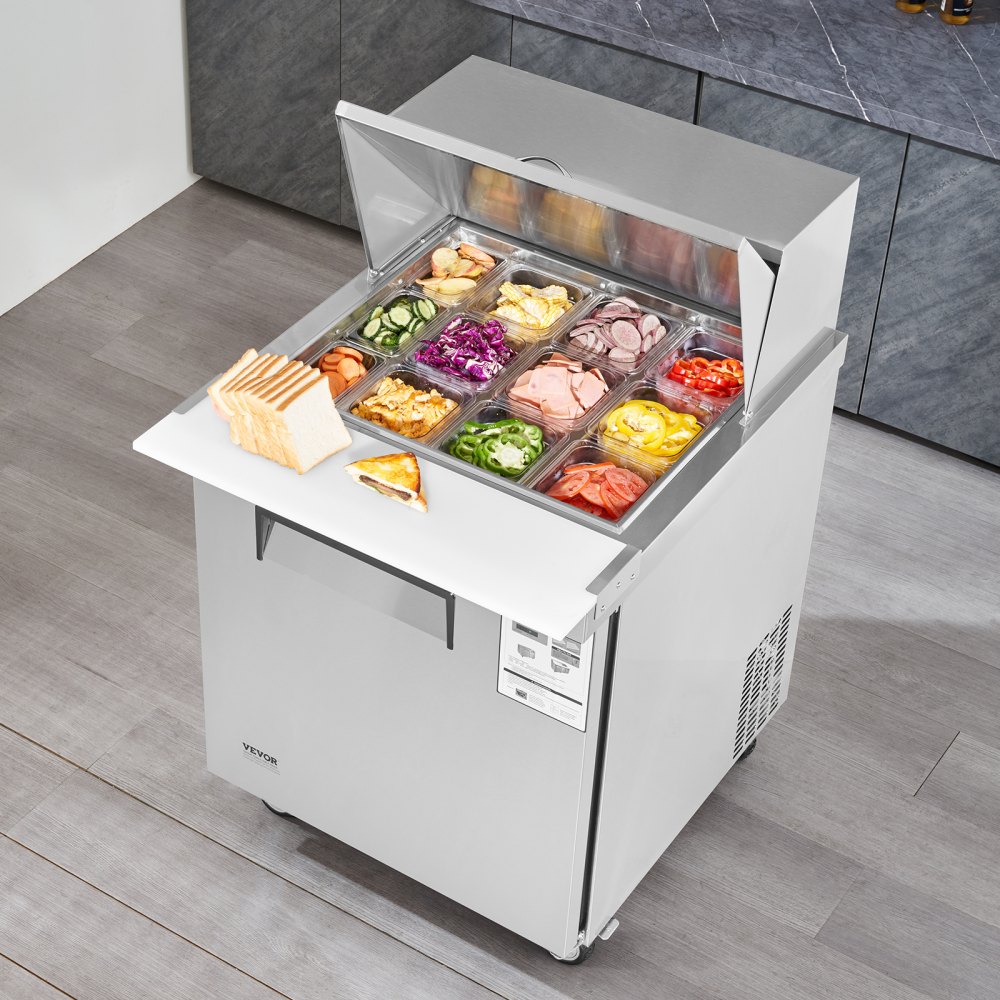
Prep tables are for service rails, not long-term bulk storage. Chest freezers handle bulk; organization (baskets, labels) prevents lost inventory.
Door openings are thermal load. Size and place units for real behavior, not brochure door-open counts alone.
Hold and serve
Food warmers bridge batch cook and ticket time. They hold properly cooked food; they do not make unsafe food safe.
Front-of-house displays sell visually—glass cleanliness and lighting are operational, not cosmetic.
A minimal viable café/ghost kit
Mixer + convection oven + prep cold + a freezer strategy covers a surprising amount of pastry and roast volume.
Add warmers when hold times become the bottleneck rather than cook capacity.
How to use ForgeGate foodservice pages
Compare quarts, wattage, and dimensions on cards. Open PDPs for full spec tables and manuals when available.
Use topic pages like 20-qt mixers when you already know the capacity band and want denser internal links into matching SKUs.
Guide FAQ
15 qt for daily bread?
Light batches yes; dense high-volume dough is why shops move to 20–30 qt. Watch motor temperature and duty.
Do I need commercial certification marks on every piece?
Requirements vary by jurisdiction and concept. Buy for your inspector reality; ForgeGate publishes specs so you can evaluate fit.
What fails first in cheap mixers?
Often duty cycle under dense dough and poor bowl/attachment fit. Size honestly to avoid cooking the motor at rush.