Buying guide · Updated 2026-08-03
Sewer Inspection Camera Buying Guide: What Actually Matters
What actually matters in a sewer inspection camera: cable length, head fit, self-leveling, 512 Hz locating, and DVR recording, with real spec thresholds.
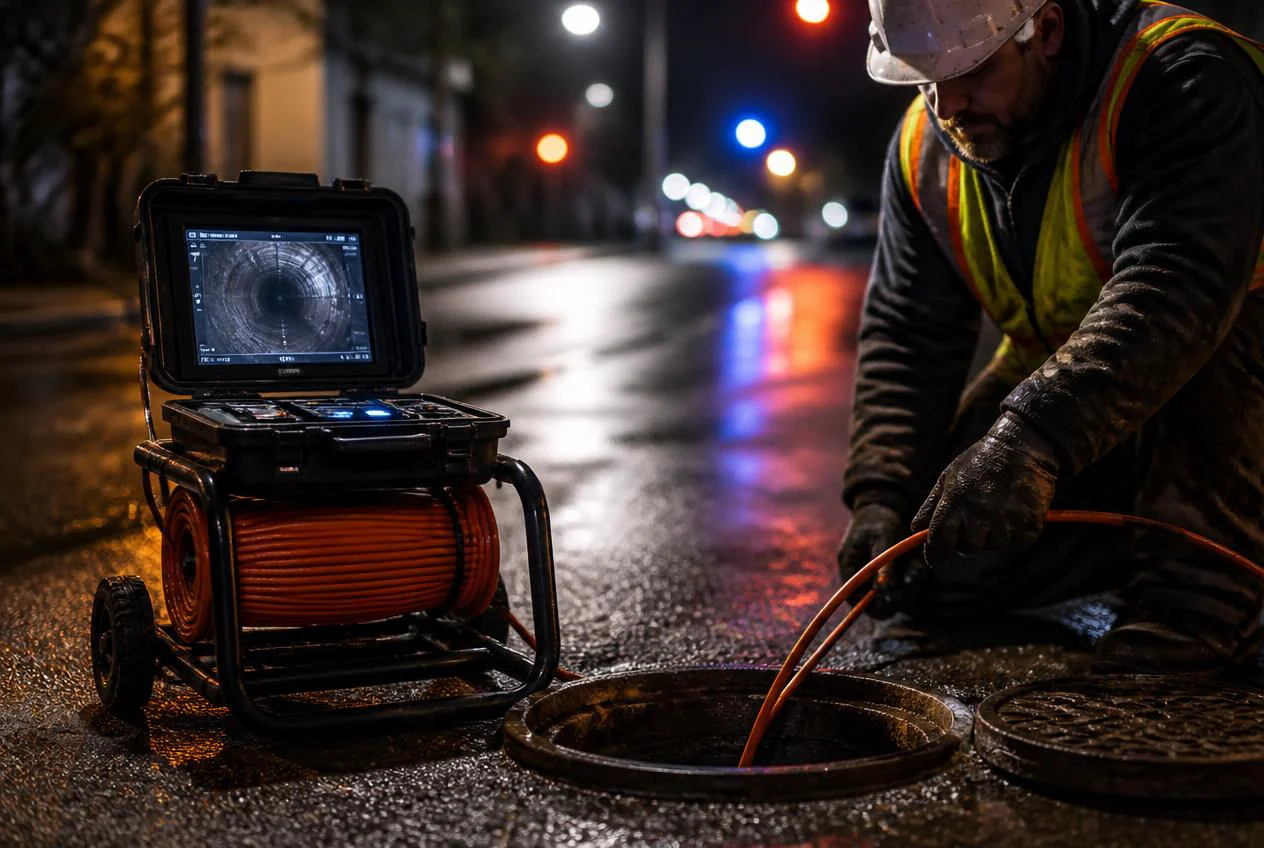
A sewer camera has one job: see the problem, know exactly where it is, and prove it on footage. Every line of the spec sheet should serve that job-cable length, head fit, locating, and recording.
This guide separates the load-bearing specs from the decorations, using the two 50-meter sewer reels in the ForgeGate line plus the smaller borescopes as counter-examples.
Cable length: buy for the farthest cleanout, not the average clog
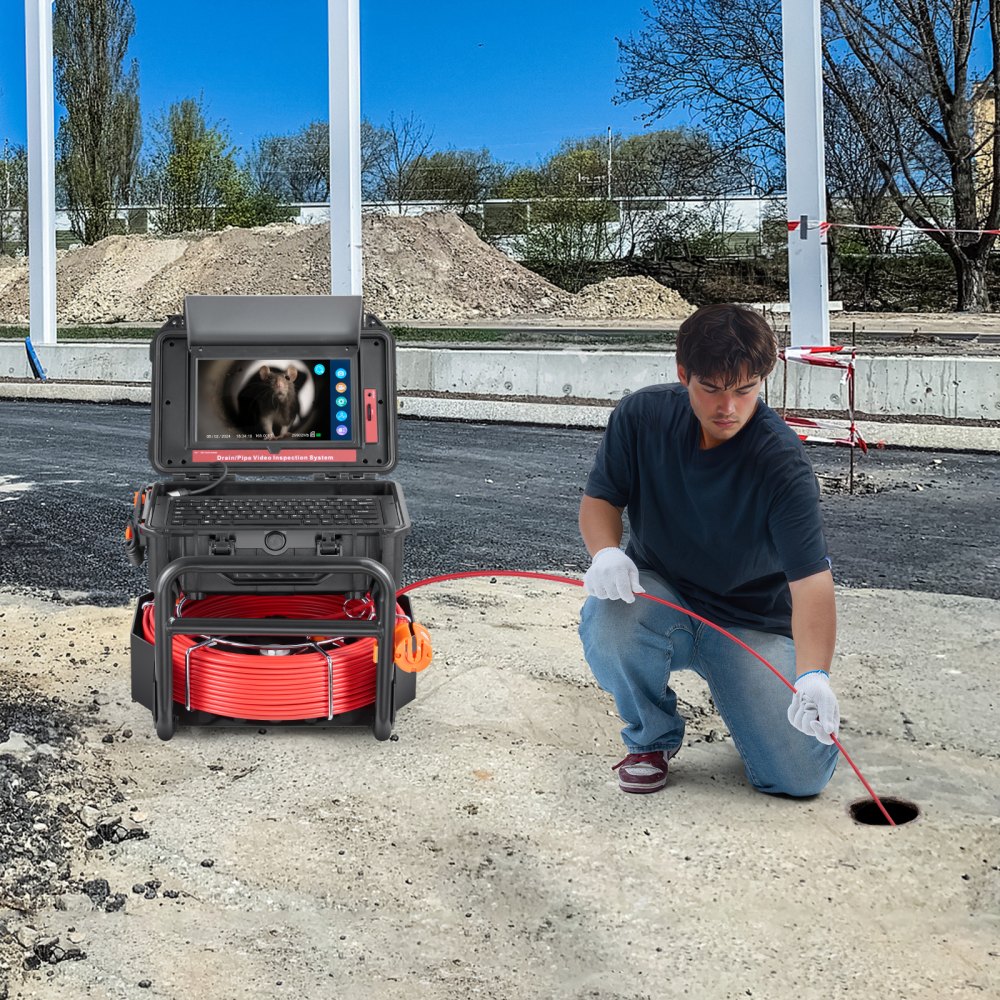
House-to-street distances routinely run 50-100 ft, and a short reel stops mid-question. That is why the sewer-class reels in our line carry 164-165 ft (50 m) of cable.
Measure the run from house cleanout to street tap once, then buy the reel that exceeds it with slack. A cable that runs out on the problem costs you a second visit-and the second visit is where the customer watches you guess.
Head and cable diameter: the camera has to fit the pipe
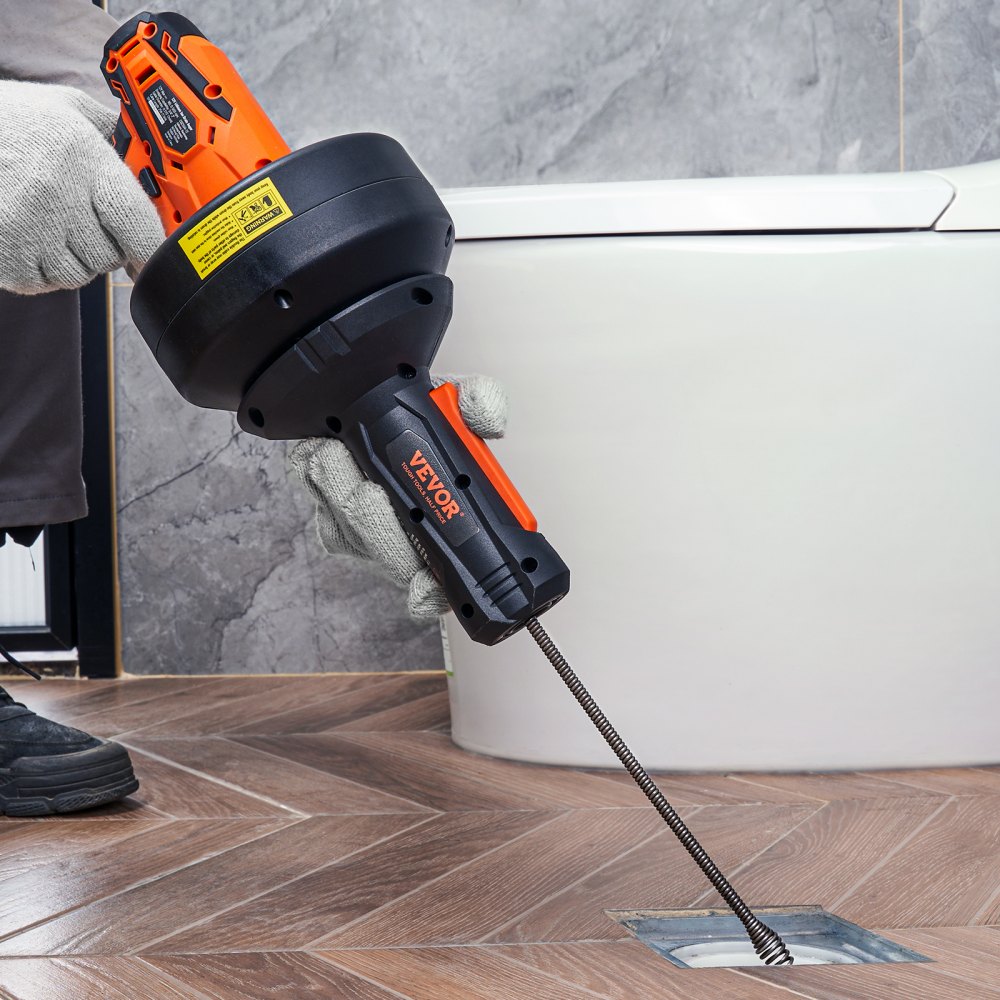
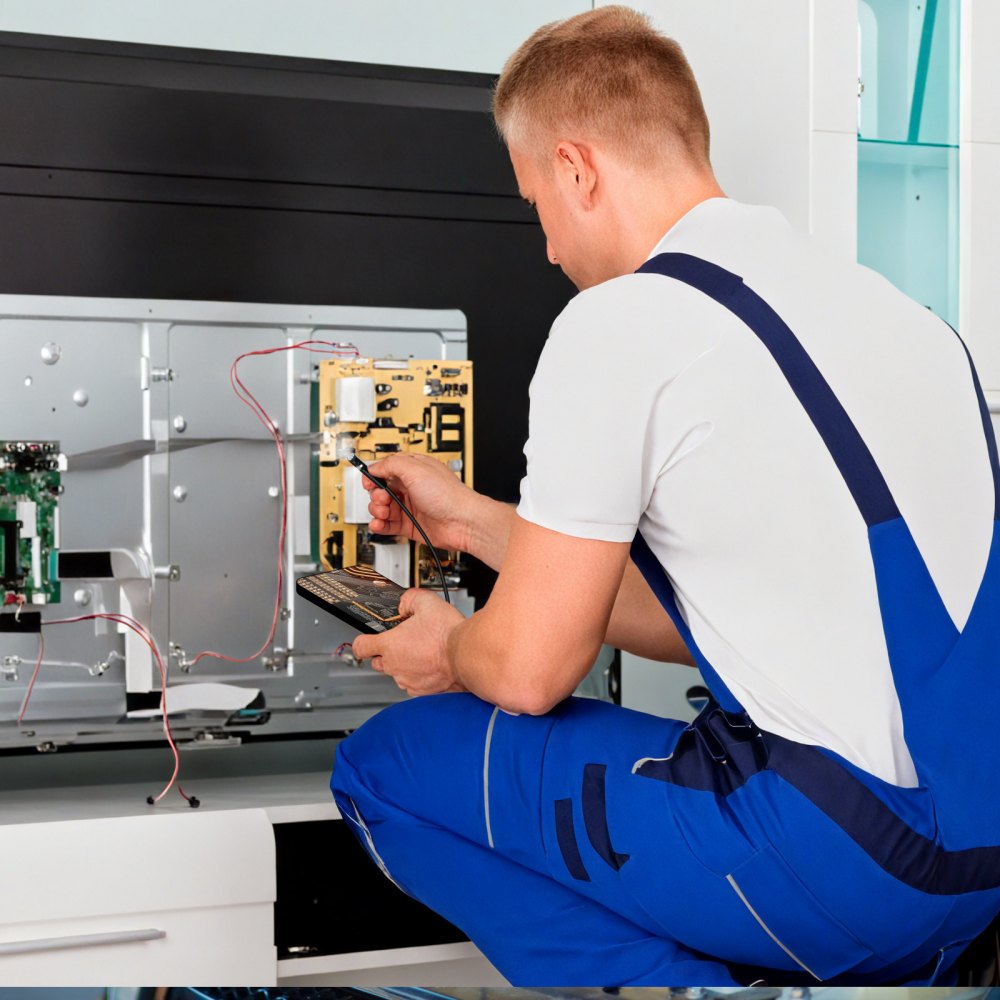
Sewer-class heads are built to pass 2-inch-plus lines and negotiate 90-degree sweeps; small endoscopes and borescopes with 4-17 ft cables belong to trap, fixture, and equipment inspection, not mains.
Check stiffness and head geometry: the push rod must transmit force around bends without kinking, and the LEDs must throw down-pipe. IP67/IP68 ratings are table stakes for standing water.
Self-leveling heads and distance counters
A self-leveling head keeps up as up on screen while the cable rolls through bends-without it, every joint and root looks tilted and footage is hard to review later.
The distance counter converts footage into an address: defect at 63 ft is actionable; somewhere back there is not. When comparing units, verify the counter displays alongside the live image.
512 Hz sonde: locating is half the job
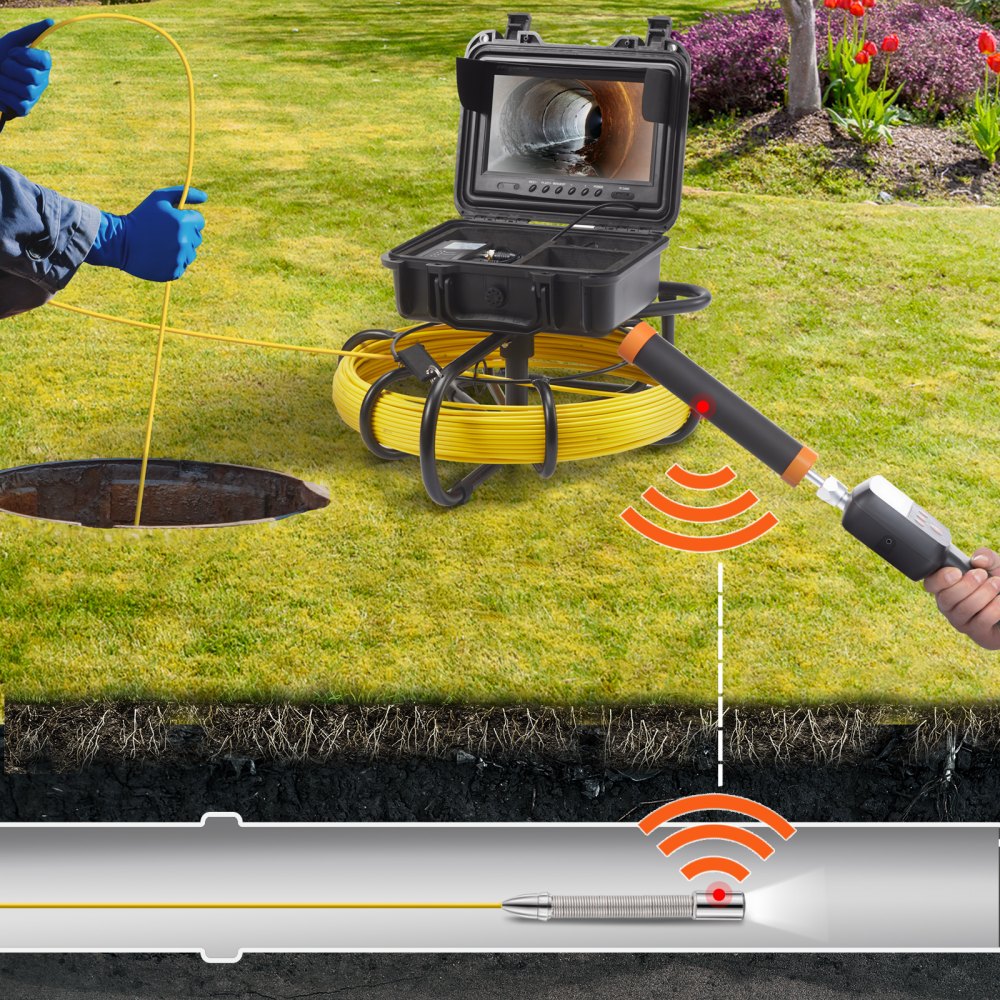
The camera shows what; the locator shows where on the surface. A 512 Hz transmitter in the camera head lets a surface locator wand trace it from above and mark the dig point before anyone touches a shovel.
Without locating, a diagnosed break still turns into an excavation search. For anyone billing this work, the 512 Hz option pays for itself on the first locate.
Recording, screen, and lights
DVR recording to SD card (16-32 GB in our line) turns inspection into documentation-footage for the customer, the next technician, and the dispute file. The 10.1-inch touchscreen units pair self-leveling display with the distance counter in one interface; the 9-inch class keeps the kit lighter.
LED count and adjustability matter more in big pipe: the 12-LED adjustable setups on these reels light a 4-inch line without washing out the image.
Guide FAQ
Is a borescope enough for a sewer line?
Not for mains-cable length and head design are the killers. Borescopes and phone endoscopes fit traps, fixtures, and equipment inspection.
Do I really need the 512 Hz locator?
If you will ever need to mark a dig point, yes. Locating is what converts a video diagnosis into a repair address.
How long should the cable be?
Measure your longest cleanout-to-tap run and buy past it. Fifty meters (164 ft) covers most residential laterals with slack.
What kills sewer cameras?
Kinked push rods from forcing tight bends, storing the cable wet and dirty, and crushed cases. Rinse, coil, and store dry.